Cannabis Bioavailability; What’s The Most Effective Method?
Cannabis bioavailability explained: how much THC and CBD your body absorbs from edibles, tinctures, suppositories, smoking, vaping and topicals.
By Bloom Team
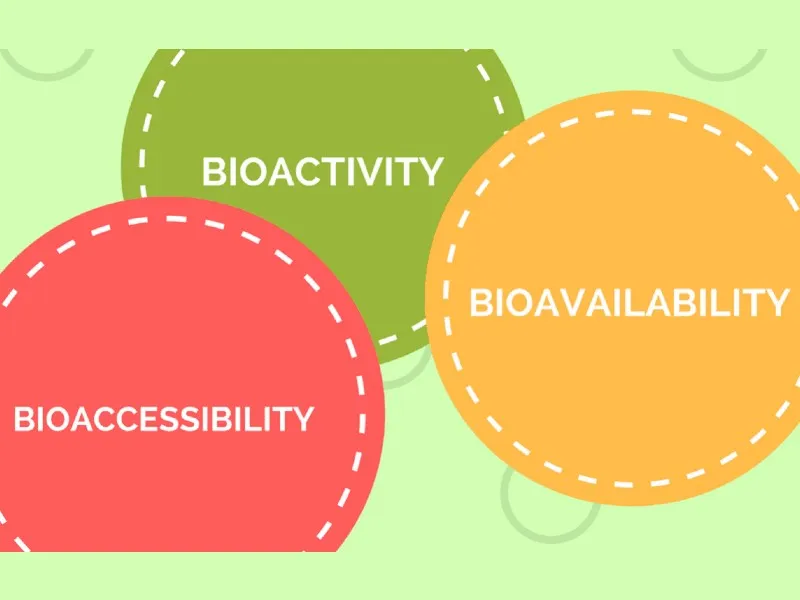
Are you all familiar with the term bioavailability? If you are not, you should be. The Merriam-Webster definition is the degree and rate at which a substance (as a drug) is absorbed into a living system or is made available at the site of physiological activity. The other important factor in increasing the bioavailability of medical cannabis is the food you eat. Studies show that fatty acids in the form of saturated fats act as intracellular carriers of THC and CBD. In other words, cannabinoids hitch a ride on these fats and make their way to their intended destination. That is why you see so many recipes combining coconut oil with cannabis. Other healthy foods that increase cannabis bioavailability include all dairy foods with 2% or more fat, eggs, non-factory farmed beef, lamb, pork & chicken, fish, shellfish, cocoa butter and palm oil.
Let’s go through the different delivery methods to see which have the highest bioavailability:
Oral
Studies show that when cannabinoids of THC and CBD are swallowed, the bioavailability is between 4% to 20%. This is attributed to a phenomenon known as “first pass metabolism” whereby the concentration of a drug is greatly reduced before it reaches the systemic circulation. Cannabinoids pass through the liver with little absorption, even though the user may be experiencing very strong psychotropic effects. It is important to note that when THC is metabolized by the digestive system, it converts to 11-OH-THC which is 4-5 times more psychotropic than THC. This explains why people who eat edibles report being uncomfortably high. (See our tips on edible dosing.) They also erroneously equate the intense psychotropic effects with more cannabinoid absorption and more medicinal benefits. This is not the case. There are also differences in bioavailability amongst individuals, affected by many different factors. These include the person’s metabolism rate, sleep cycle, their drug and food interactions, the health of their gastrointestinal tract, age, and the formulation of the cannabis product.
Rectal
Most of the evidence supporting the positive results of rectal cannabis suppositories is anecdotal. There have been very few studies on the bioavailability of suppositories but results suggest anywhere from 13.5% to 40%. They differ from oral methods in that they prevent first pass metabolism. In addition, the bioavailability of suppositories is quite different depending on its cannabinoid profile. It is interesting to note that THC-hemisuccinate, a form of THC developed for suppositories, has shown the best results. Learn more about THC suppositories.
Sublingual
With sublingual cannabinoid usage, the product is administered under the tongue. Most of the positive results are anecdotal. The spectrum of bioavailability of this method goes from slightly higher than oral availability to as much as 75%, depending on whom you believe. The reason for this is that it bypasses the digestive tract and goes directly into the bloodstream via the mouth. Since there is a salivary gland under the tongue, many users end up inadvertently swallowing the medicine which decreases its bioavailability to that of oral delivery. After smoking/vaporizing, the sublingual method is the second fastest delivery method.
Buccal/Oromucosal
Instead of placing the medicine under the tongue, it is placed inside the cheeks or on the gums. It has an advantage over the sublingual method in that it avoids the salivary gland and reflex swallowing. With the buccal application, a greater percentage of the active cannabinoids is absorbed compared to the sublingual method.
Smoking/Vaporizing
Many users prefer not to smoke and choose vaporizing, instead. In terms of its bioavailability, the two methods are virtually identical. Both methods avoid the first pass metabolism. The range is from 2% to 56%, depending on different studies. This can be attributed to the fact that experienced users have a higher range of cannabis bioavailability than newbies. It is the fast way to introduce cannabinoids into the system, but the least efficient method. Cannabis that is not absorbed by the lungs is exhaled and wasted. The effects last significantly less than all other delivery methods. This means the user has to consume more medicine to remain medicated.
Transdermal
Again, any positive results are anecdotal as there have been no studies on humans with transdermal patches, so there are no bioavailability percentages available. The positives are that transdermal patches avoid first pass metabolism and they offer a dosed amount of medicine for a longer period of time; 8-12 hours. Users must consider their high cost versus their effectiveness.
Lotions/Balms
They work by interacting with CB1 and CB2 receptors which are present in the muscles, skin, bones, peripheral nerves and synovial fluid within joints. We must rely on anecdotal evidence as there are no scientific studies supporting these products. If they work for you, then go for it!
Lastly, here are 2 interesting facts to note
- THC appears to be more bioavailable than CBD.
- CBD is 10 times more permeable than THC when used transdermally (passing through the skin).
Alrighty! That is a whole lot of information to take in. We hope we have piqued your interest in considering trying different delivery methods to find the one that works best for you. So many factors!
Source:
Medium.com, The Bioavailability of Medical Marijuana, Eric Geisterfer
For general information. This post isn't medical or legal advice. Cannabis rules differ between Ohio and Maryland and can change, so check with the Ohio Division of Cannabis Control or the Maryland Cannabis Administration. Talk to a healthcare provider before using cannabis for a medical condition. For adults 21+ and registered medical patients.
More from the Bloom blog.

Education9 min read
What Are THC Drinks? A Complete Guide to Cannabis Beverages
What are THC drinks? How nano-emulsified cannabis beverages work, how fast they kick in, how they compare with alcohol and edibles, and how to dose them.
Bloom TeamNovember 10, 2026
Education5 min read
Cooking with Cannabis: Butter, Oil and Infusion Basics
Cooking with cannabis: how to decarb, make cannabutter and cannabis oil, estimate the THC in homemade edibles, and simple recipes to start with.
Bloom TeamOctober 30, 2026
Education3 min read
Cannabis Topicals: How They Work and How to Use Them
What are cannabis topicals? How creams, balms, roll-ons and patches work, why most don't get you high, how to use them and what to know about drug tests.
Bloom TeamOctober 27, 2026
Earn points, get the deals first.
Join Bloom Rewards free and start with 200 points, plus member-only deals and news from Bloom.
- 200 points for joining
- 1 point per $1 spent
- 100 points = $5
- Member-only deals and drops
Earn at any Bloom in Ohio or Maryland. Pick your store when you sign up.