Cooking with Cannabis: Butter, Oil and Infusion Basics
Cooking with cannabis: how to decarb, make cannabutter and cannabis oil, estimate the THC in homemade edibles, and simple recipes to start with.
By Bloom Team
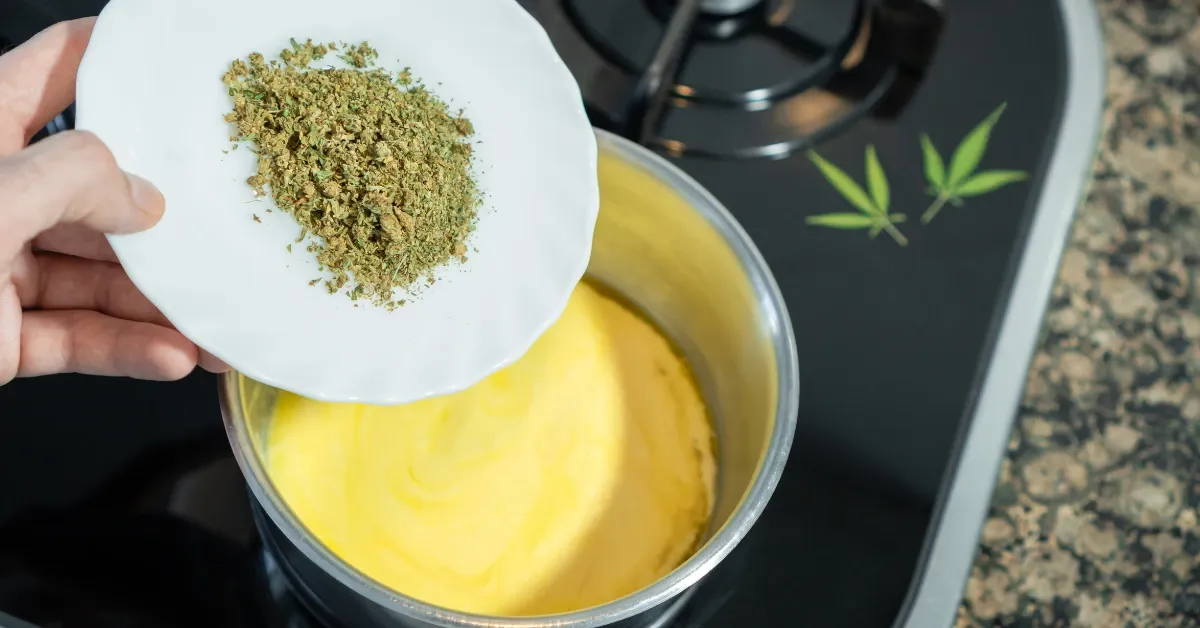
Making your own cannabis edibles gives you more control than buying them ready-made: you pick the strain, the recipe and the strength. But home cooking with cannabis has real pitfalls, mostly around dosing and decarboxylation. This guide walks through the basic infusions and simple recipes, with an honest look at what’s easy, what’s hard and how to avoid the mistakes that ruin most first attempts.
The Two Steps of Cannabis Cooking
Every cannabis recipe follows the same two steps:
- Decarboxylation: activating the cannabinoids with heat.
- Infusion: dissolving the activated cannabinoids into a fat or alcohol.
After these two steps you have an ingredient, such as cannabutter, cannabis oil or a tincture, that can go into any recipe calling for butter, oil or alcohol.
Step 1: Decarboxylation
Cannabis has to be heated before it will produce a high in edibles. Raw flower contains THCA, not THC, and THCA isn’t intoxicating. The short version: break up your flower, spread it on a parchment-lined baking sheet and bake at about 240°F (115°C) for 30–40 minutes. Let it cool before using. For the full method, see 8 easy steps to decarboxylate cannabis flower, and for the science, the difference between THCA and THC.
Step 2: Choosing Your Infusion Base
Cannabinoids dissolve in fat and in alcohol, so you can infuse them into almost any fat or high-proof alcohol. Popular choices:
- Butter: the classic, used to make cannabutter for most baked goods.
- Coconut oil: high in fat and solid at room temperature; good for baking and capsules.
- Olive oil: good for savory cooking, dressings and no-bake recipes.
- MCT oil: mild in flavor; popular for tinctures and capsules.
- Alcohol: for tinctures. See our guide to cannabis tinctures.
How to Make Cannabutter
This is the single most useful cannabis cooking skill. Once you can make cannabutter, you can make almost any baked edible. For a step-by-step version with photos, see our cannabutter recipe.
What you need
- 1 cup unsalted butter
- 7–10 grams decarboxylated flower (adjust for strength)
- 1 cup water
- A saucepan, cheesecloth or a fine-mesh strainer, and a storage container
Instructions
- Melt the butter with the water in a saucepan over low heat. The water helps prevent scorching.
- Add the decarboxylated cannabis and stir.
- Simmer gently on the lowest heat for 2–3 hours, stirring occasionally. Never let it boil; you should see only an occasional small bubble.
- Strain through cheesecloth into a container. Squeeze gently; pressing too hard pushes through plant material and bitterness.
- Refrigerate until the butter solidifies on top of the water, then lift off the butter and discard the water.
- Store in the refrigerator for up to 2 weeks, or freeze for up to 6 months.
How to Make Cannabis Oil
The process is almost the same, minus the water:
- Combine decarboxylated cannabis and oil in a saucepan or slow cooker.
- Heat on the lowest setting for 2–3 hours on the stove or 4–6 hours in a slow cooker. Keep it below about 245°F.
- Strain through cheesecloth.
- Store in a dark container in the refrigerator.
Dosing Homemade Edibles
This is the hardest part of cooking with cannabis, and the most important. Here’s the rough math:
- Find the THC percentage of your flower on the label.
- Convert to milligrams per gram by multiplying by 10. Flower at 20% THC has about 200mg of THC per gram.
- Multiply by grams used. 7 grams of 20% flower is about 1,400mg of THC.
- Allow for losses. Decarboxylation and infusion each lose some THC; at home, it’s common to end up with roughly 60–80% of what you started with. Call it about 900–1,100mg in the finished butter.
- Divide by servings. If that butter goes into 16 brownies, each one could carry around 55–70mg of THC.
That’s far more than most people should eat at once. Many people start with 2.5–5mg. These numbers are estimates, not measurements, because home infusion varies with technique, heat, time and starting material. Cut servings small, start with a small piece and wait at least two hours before eating more. See edible dosing for new users and experts and the five mistakes first-timers make with edibles.
Tips for Better Homemade Edibles
- Make smaller servings. Cut brownies into halves or quarters so a serving is a smaller dose.
- Label everything. Store edibles in clearly marked containers, away from children and pets, so nobody eats one by mistake. See our cannabis safety tips for families.
- Test your first batch. Try a small piece and wait two hours, then use that to judge future servings.
- You don’t need top-shelf flower. Mid-tier flower works well in the kitchen.
- Go low and slow. Gentle heat over time beats high heat.
- Consider lecithin. Some cooks add sunflower or soy lecithin to help the infusion blend. See how lecithin affects edibles.
Simple Recipes to Start With
Brownies
The classic. Swap the butter in a boxed brownie mix for an equal amount of cannabutter and follow the package directions. The chocolate masks most of the cannabis flavor. For full recipes, see recipes with weed butter.
Chocolate Chip Cookies
Same idea: use cannabutter in place of butter in a standard recipe, and keep the oven at or below 350°F.
Pasta Sauce and Pizza
Stir cannabis olive oil into a finished sauce or drizzle it over pizza. Add it off the heat.
Salad Dressing
Whisk cannabis olive oil with vinegar, salt, mustard and herbs. No cooking needed.
Holiday Cooking
For a full menu, see Danksgiving.
Mistakes to Avoid
- Skipping decarboxylation: your edibles won’t work.
- Boiling the infusion: high heat breaks down cannabinoids. Keep it to a gentle simmer.
- Grinding too fine: makes bitter, grassy edibles. Break it up; don’t pulverize it.
- Squeezing the cheesecloth too hard: pushes through plant material you don’t want.
- Eating more after 30 minutes: edibles can take up to 2 hours to kick in.
- Storing without labels: a real risk for family, guests and pets.
Frequently Asked Questions
Do I need special equipment?
No. A saucepan, cheesecloth or a fine-mesh strainer and a storage container are all you need. Slow cookers, sous vide setups and countertop infusion machines make it easier but aren’t required.
How strong will my edibles be?
It varies a lot. Homemade edibles are far less predictable than store-bought ones, which are made with standardized processes and lab tested. That’s the main reason to start small.
Will my house smell like cannabis?
During decarboxylation, yes, strongly. Infusing smells less. Open windows and run a fan if discretion matters, and see how to get the weed smell out.
How long does cannabutter last?
About 2 weeks in the refrigerator and up to 6 months frozen, in airtight containers.
Can I skip the separate decarb step?
Long simmering in fat activates some THCA, but not as completely as a dedicated decarb step. For best results, decarb first.
The Bottom Line
Cooking with cannabis isn’t complicated once you understand the two steps: decarboxylate, then infuse. Cannabutter and cannabis oil are the building blocks for everything else. The real challenge isn’t the cooking, it’s the dosing. Start small, label everything and remember that edibles take time to kick in. If you’d rather skip the kitchen, see the best cannabis edibles to try.
For general information. This post isn't medical or legal advice. Cannabis rules differ between Ohio and Maryland and can change, so check with the Ohio Division of Cannabis Control or the Maryland Cannabis Administration. Talk to a healthcare provider before using cannabis for a medical condition. For adults 21+ and registered medical patients.
More from the Bloom blog.
Education9 min read
What Are THC Drinks? A Complete Guide to Cannabis Beverages
What are THC drinks? How nano-emulsified cannabis beverages work, how fast they kick in, how they compare with alcohol and edibles, and how to dose them.
Bloom TeamNovember 10, 2026
Education3 min read
Cannabis Topicals: How They Work and How to Use Them
What are cannabis topicals? How creams, balms, roll-ons and patches work, why most don't get you high, how to use them and what to know about drug tests.
Bloom TeamOctober 27, 2026
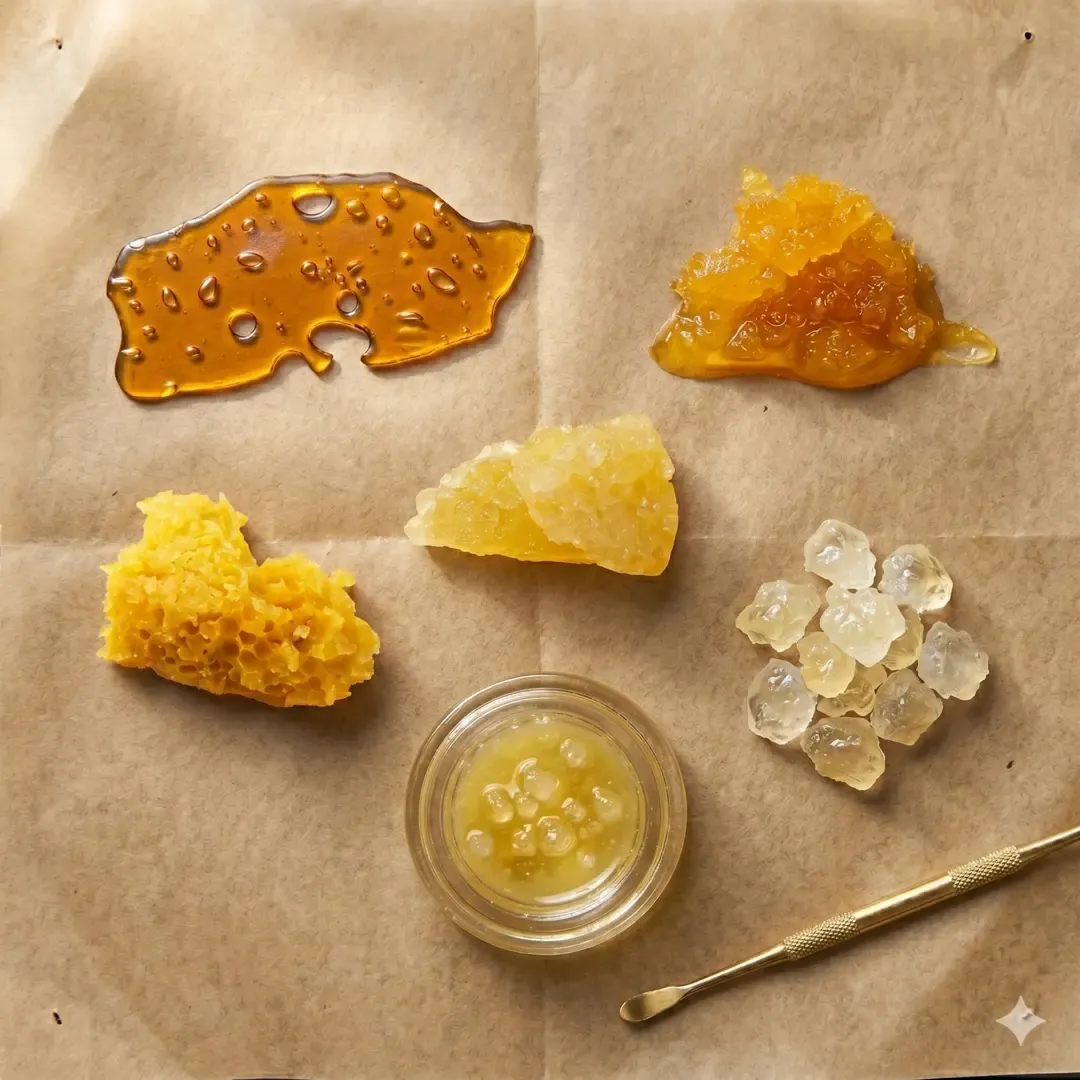
Education5 min read
Cannabis Concentrates: Types, Potency and How to Use Them
A complete guide to cannabis concentrates: shatter, wax, live resin, live rosin, distillate, hash and kief, how they're made, how to use them and dosing.
Bloom TeamOctober 20, 2026
Earn points, get the deals first.
Join Bloom Rewards free and start with 200 points, plus member-only deals and news from Bloom.
- 200 points for joining
- 1 point per $1 spent
- 100 points = $5
- Member-only deals and drops
Earn at any Bloom in Ohio or Maryland. Pick your store when you sign up.