8 Easy Steps To Decarboxylate Cannabis Flower
What is decarboxylation and why does cannabis need it? The science of turning THCA into THC, plus 8 easy oven steps, sous vide, temperatures and tips.
By Bloom Team
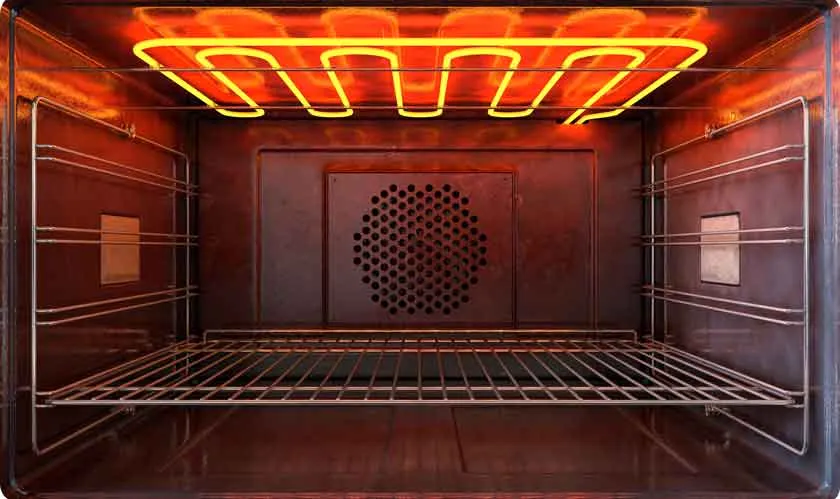
Raw cannabis doesn’t get you high. You could eat a fresh bud straight off the plant and feel almost nothing. That’s because the plant doesn’t make THC directly; it makes THCA, an acidic precursor that has to be transformed by heat, a process called decarboxylation, before it becomes intoxicating. If you want to make edibles at home, decarbing your flower is the essential first step. Here’s the science, plus a simple 8-step oven method.
What Is Decarboxylation?
Decarboxylation, or “decarb” for short, is a chemical reaction that removes a carboxyl group from a molecule and releases it as carbon dioxide. In cannabis, it converts the acidic forms of cannabinoids into their neutral forms:
- THCA → THC (intoxicating)
- CBDA → CBD
- CBGA → CBG
- CBCA → CBC
The reaction is driven mainly by heat and time. A little happens slowly at room temperature over months, but much more happens quickly at higher temperatures, which is exactly what happens when you light a joint, heat a vaporizer or bake cannabis in an oven.

Why Raw Cannabis Doesn’t Get You High
THCA doesn’t bind well to the CB1 receptors in your brain the way THC does. Once heat removes the carboxyl group, the molecule takes the shape that produces intoxicating effects. That’s why eating raw cannabis produces almost no high, and why edibles made from unheated cannabis are weak.1 For more, see the difference between THCA and THC and major vs. minor cannabinoids.
When Decarboxylation Happens Automatically
You don’t need to decarb cannabis for most ways of using it:
- Smoking: burning decarbs the cannabinoids instantly.
- Vaping: the vaporizer’s heat decarbs and releases cannabinoids in one step.
- Dabbing: concentrates decarb on the hot surface, and many are already decarbed.
- Store-bought edibles: manufacturers decarb the cannabis before making the product.
When You Need to Decarb at Home
- Making cannabutter or cannabis oil for homemade edibles
- Making a tincture from flower
- Making capsules or other infusions where you want full potency
How to Decarboxylate Cannabis Flower in 8 Easy Steps
What You Need
- Cannabis flower
- Baking sheet
- Parchment paper
- Foil (optional)
- Oven thermometer (optional)
- Airtight jar
Instructions
- Preheat the oven to 240°F (115°C). An oven thermometer helps, since many ovens run hotter or cooler than the dial says.
- Line a baking sheet with parchment paper.
- Break the flower up by hand into small, popcorn-sized pieces. Don’t grind it finely, since very fine material can scorch.
- Spread the flower in a single, even layer on the baking sheet. You can cover it loosely with foil to help hold in aroma.
- Bake on the middle rack for 30–45 minutes.
- About halfway through, gently stir or shake the tray so the flower heats evenly. It’s ready when it turns a light, toasted golden brown.
- Remove from the oven and let it cool completely, about 30 minutes, before using it.
- Store it in an airtight jar in a cool, dry, dark place until you’re ready to use it.
Other Methods
Lower and Slower
Some people decarb at about 220°F (104°C) for around 60 minutes to hold on to more aroma. It takes longer but works well.
Sous Vide
Seal the flower in a vacuum bag and cook it in a sous vide water bath at about 203°F (95°C) for around 90 minutes. The temperature stays precise and much less smell escapes into the house.
What About the Microwave?
Microwaves heat unevenly and are hard to control. Stick with the oven or sous vide.
Temperature and Time
Decarbing is a balance between activating cannabinoids and keeping terpenes, which are volatile and start to evaporate as cannabis heats up.
- About 220°F for 60 minutes: keeps more aroma, slower activation.
- About 240°F for 30–45 minutes: a good balance.
- About 250°F for 25–30 minutes: faster, with more terpene loss.
- Much hotter or much longer: risks degrading THC (it breaks down into CBN) and scorching the flower.
For more on terpenes, see our guide to terpenes in cannabis.
How to Tell It Worked
- Color: light golden brown, not dark brown or burned.
- Smell: earthy and toasted, not acrid. Most of the bright aroma will have faded, which is normal.
- Texture: dry and slightly crumbly.
What’s Next
Now you’re ready to make cannabutter, one of the most versatile ingredients for edibles. Then try a few of our recipes with weed butter, or see the full guide to cooking with cannabis. Homemade edibles are hard to dose precisely, so start with small servings; see edible dosing for new users and experts.
Frequently Asked Questions
Do I have to decarb cannabis before making edibles?
Yes, if you want full strength. Undecarbed cannabis makes very weak edibles because THCA isn’t intoxicating. Long simmering in butter or oil activates some of it, but a separate decarb step works much better.
How long does decarbed cannabis stay fresh?
If stored airtight, cool and dark, it lasts several months, though it loses flavor faster than fresh flower.
Does decarbing work on concentrates?
Many concentrates are already decarbed; check the product. If you’re making edibles from an extract that isn’t, heat it gently.
Does decarbing destroy terpenes?
Some, yes. Lower-temperature methods like sous vide keep more of them.
The Bottom Line
Decarboxylation is the chemistry behind every cannabis experience. It happens automatically when you smoke or vape, and it’s the essential first step if you’re making edibles or tinctures at home. About 30–45 minutes in a 240°F oven is all it takes.
Shop flower for your next batch at Bloom Ohio or Maryland.
Footnotes
For general information. This post isn't medical or legal advice. Cannabis rules differ between Ohio and Maryland and can change, so check with the Ohio Division of Cannabis Control or the Maryland Cannabis Administration. Talk to a healthcare provider before using cannabis for a medical condition. For adults 21+ and registered medical patients.
More from the Bloom blog.
Education9 min read
What Are THC Drinks? A Complete Guide to Cannabis Beverages
What are THC drinks? How nano-emulsified cannabis beverages work, how fast they kick in, how they compare with alcohol and edibles, and how to dose them.
Bloom TeamNovember 10, 2026
Education5 min read
Cooking with Cannabis: Butter, Oil and Infusion Basics
Cooking with cannabis: how to decarb, make cannabutter and cannabis oil, estimate the THC in homemade edibles, and simple recipes to start with.
Bloom TeamOctober 30, 2026
Education3 min read
Cannabis Topicals: How They Work and How to Use Them
What are cannabis topicals? How creams, balms, roll-ons and patches work, why most don't get you high, how to use them and what to know about drug tests.
Bloom TeamOctober 27, 2026
Earn points, get the deals first.
Join Bloom Rewards free and start with 200 points, plus member-only deals and news from Bloom.
- 200 points for joining
- 1 point per $1 spent
- 100 points = $5
- Member-only deals and drops
Earn at any Bloom in Ohio or Maryland. Pick your store when you sign up.