What is the Difference Between THCa and THC
Learn the difference between THCA and THC, how decarboxylation turns THCA into THC, and how labs calculate the total THC shown on cannabis labels.
By Bloom Team
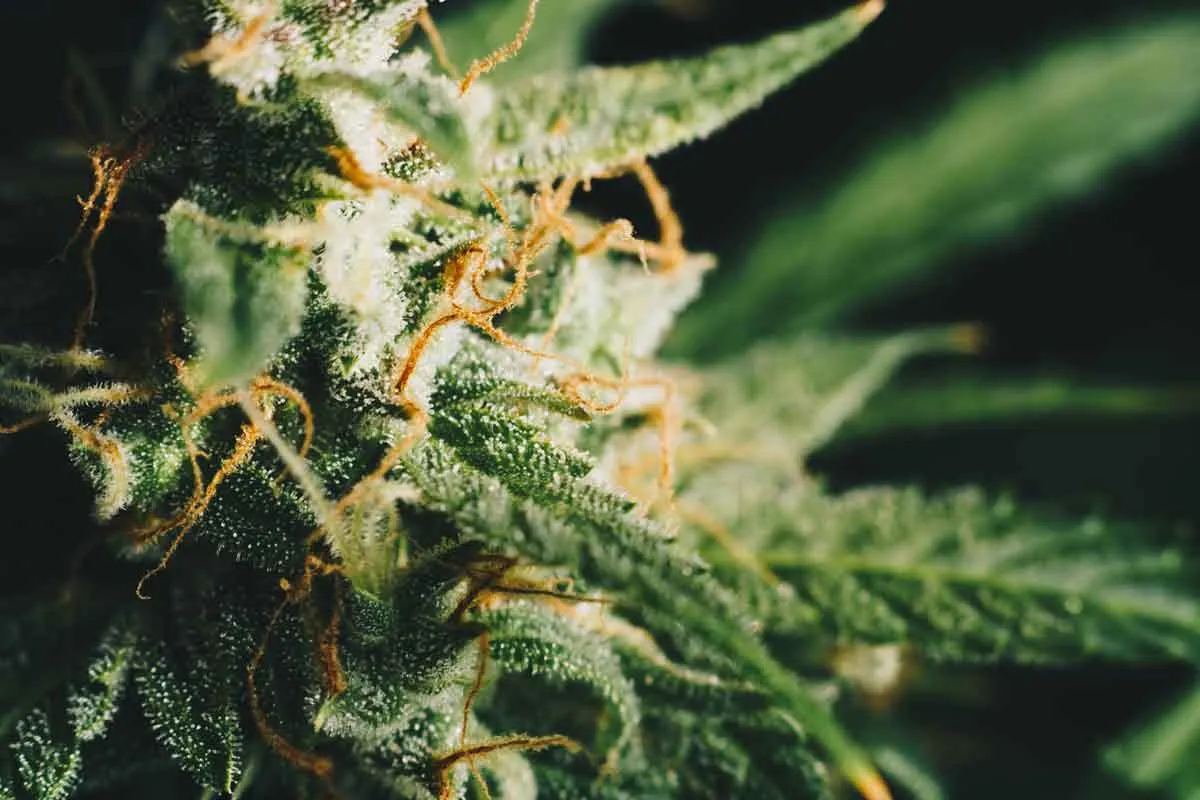
Many people are familiar with the cannabinoid THC, but did you know that it comes from the raw acid compound THCa? In this article we clarify how THCa is converted into THC and list the many potential benefits of THCa and THC. We also explain how the percentages of THCa and THC that appear on your cannabis product labels are derived.
THC vs THCa
THCa or Tetrahydrocannabinolic acid is the non-psychotropic cannabinoid found in raw and live cannabis. THC or delta-9-tetrahydrocannabinol is the active, psychotropic cannabinoid. They share a very similar chemical composition.
What is the Difference Between THCa and THC
The difference between the two cannabinoids is the addition of a carboxyl group in THCa. THCa does not bind well with either CB1 or CB2 receptors in our endocannabinoid system. It is not psychotropic due to its 3-dimensional shape and larger size which prevents it from fitting into CB1 receptors.
It is also thought that THCa, together with some of the other acid forms of cannabinoids, may act to inhibit COX-1 and COX-2 enzymes, resulting in the potential to reduce pain and inflammation. Both these enzymes produce prostaglandins which promote inflammation, pain and fever.
When the raw form THCa is heated, it is converted into THC through the process of decarboxylation. There are many ways for that to happen that include:
- Sunlight Exposure
- Room Temperature Exposure
- Heat Exposure through smoking, vaping, concentrates and oven decarboxylation
For a step-by-step method at home, see our guide to decarboxylating cannabis flower.
What Gets You High: THC or THCA?
THC (tetrahydrocannabinol) is the primary psychoactive compound in cannabis that gets you high. When you consume cannabis, THC interacts with the endocannabinoid system in your body, particularly with the CB1 receptors in the brain, producing the characteristic euphoric and psychoactive effects.
THCA (tetrahydrocannabinolic acid), on the other hand, is the non-psychoactive precursor to THC. THCA is found in raw and live cannabis plants. It does not produce any high because it does not interact with the CB1 receptors in the same way that THC does.
When cannabis is heated through smoking, vaping, or cooking, THCA undergoes a process called decarboxylation, which converts it into THC, thus making it psychoactive. Therefore, to experience the high associated with cannabis, THCA needs to be converted to THC.
In summary, THC is the compound that gets you high, while THCA must be decarboxylated to THC to produce psychoactive effects.
Potential Benefits of THCa
- Anti-inflammatory properties that may help with arthritis, lupus and fibromyalgia, to name just a few
- Neuroprotective properties being studied for neurodegenerative diseases such as Alzheimer’s Disease, Parkinson’s Disease and ALS
- Anti-emetic properties that may help with appetite loss, vomiting and nausea
- Anti-proliferative properties being studied in cancer research, especially prostate cancer
- Anti-spasmodic properties that may ease muscle spasms
- Sleep aid
- Analgesic properties that may help relieve pain
- Appetite stimulant
- Antioxidant properties that may counteract the harmful effects of free radicals
Potential Benefits of THC
In addition to all the potential benefits of THCa listed above, additional potential benefits of THC include the following:
- Possible Addiction Treatment Support by reducing the motivation of ingesting reward-based substances like opioids, heroin and alcohol. Some research suggests it may increase the likelihood of opioid treatment program completion.
- Metabolic Output Increase which may lower Body Mass Index (BMI), decrease rates of diabetes and prevent diet-related obesity.
- Vasodilation which may reduce pain and eye pressure related to glaucoma
- Anxiolytic by increasing the amount of anandamide, the natural brain neurotransmitter, that controls anxiety and several other functions of the body.
While THC is available in every delivery method of cannabis, THCa is available in topicals, tinctures, capsules and raw cannabis juice.
Raw Cannabis
Raw cannabis works much differently than cannabis which is decarboxylated. The cannabinoid acids are stored in the body fat known as adipose tissue. It takes approximately 4-8 weeks for full saturation. Once the fat has completely absorbed all the cannabinoid acids, the full medicinal effects are felt. By juicing leaves and buds, patients can increase their daily intake of cannabinoids since there is no psychoactivity involved.
Research Studies with THCa
While THC has been the subject of many clinical human trials, less research has been devoted to THCa.
A June 2012 preclinical study published in Phytomedicine illustrated the potential for THCa to help protect the brain from the onset of neurodegenerative diseases.
A 2013 study using animal models and cell cultures demonstrated that THCa may prevent the spread of prostate cancer cells.
A July 2017 study conducted by the Institute of Plant Sciences, Department of Gastroenterology and Hepatology and the Sackler Faculty of Medicine, Israel, concluded that THCa may possess stronger anti-inflammatory properties than CBD when treating IBD, Crohn’s Disease and Ulcerative Colitis.
Lab Testing Methods
Are you confused by the product labels for THC and THCa on your medical cannabis products? We’ll do our best to clarify how the percentages of THCa and THC were derived.
You may already know that medical cannabis products must go through rigorous testing for many reasons. One of them is to determine the potency of the different cannabinoids in your products.
There are 2 common processes for testing the potency:
- Gas chromatography (GC) in which extracted cannabinoids are converted to a gaseous mixture at high temperatures. They are run through a filter of sorts that measures the different cannabinoid levels.
The drawbacks in using GC are several fold:
- The introduction of heat causes some of the THCa to decarboxylate.
- The final test results may underestimate the actual THC potency
- Only the THC level is available, not that of THCa
- Useless for edibles because it is imperative to know the difference between orally active THCa and active THC.
- Only 70% of THCa is converted to THC
- Liquid chromatography (LC) occurs at room temperature and is a better testing method. Its advantages:
- Allows the testing of THCa and THC without any loss that occurs during decarboxylation
- Gives separate values for both THCa and THC
Have you ever wondered how labs are able to determine the potency of THCa and THC in your strains? Since it is impossible to know exactly how much THCa converts to THC in any given strain, a universal mathematical formula has been devised for this purpose.
THCtotal = (%THCa) x 0.877 + (%THC)
Let’s use the following example to illustrate this. The label lists THCa 22% and THC 3%
THCtotal = 22% x 0.877 + 3% = 22.3%
Update (2026): Total THC matters for hemp, too. A November 2025 federal law (Public Law 119-37) changes the federal hemp definition to count total THC, including THCA, rather than delta-9 THC alone. Once the change takes effect in late 2026, high-THCA “hemp” flower that becomes THC when heated will no longer qualify as hemp under federal law.
We hope this gives you more of an understanding of how the percentages of THCa and THC that appear on the product labels were determined. For more label basics, read how to read a cannabis label.
Sources:
- weedmaps.com, THCa and THC: What’s the Difference?
- hightimes.com, THCa vs THC: How to Read a Lab Result, Sirius J, July 20, 2015
- apothecarium.com Cannabinoids 101: THCa – The Apothecarium
- marijuanadoctors.com, Tetrahydrocannabinol: What is THC? Dr. Joseph Rosado, updated Dec 28, 2018
- thegrowthop.com, Is Raw Cannabis Beneficial To Health, Marco Medic, May 2, 2019
For general information. This post isn't medical or legal advice. Cannabis rules differ between Ohio and Maryland and can change, so check with the Ohio Division of Cannabis Control or the Maryland Cannabis Administration. Talk to a healthcare provider before using cannabis for a medical condition. For adults 21+ and registered medical patients.
More from the Bloom blog.

Education9 min read
What Are THC Drinks? A Complete Guide to Cannabis Beverages
What are THC drinks? How nano-emulsified cannabis beverages work, how fast they kick in, how they compare with alcohol and edibles, and how to dose them.
Bloom TeamNovember 10, 2026
Education5 min read
Cooking with Cannabis: Butter, Oil and Infusion Basics
Cooking with cannabis: how to decarb, make cannabutter and cannabis oil, estimate the THC in homemade edibles, and simple recipes to start with.
Bloom TeamOctober 30, 2026
Education3 min read
Cannabis Topicals: How They Work and How to Use Them
What are cannabis topicals? How creams, balms, roll-ons and patches work, why most don't get you high, how to use them and what to know about drug tests.
Bloom TeamOctober 27, 2026
Earn points, get the deals first.
Join Bloom Rewards free and start with 200 points, plus member-only deals and news from Bloom.
- 200 points for joining
- 1 point per $1 spent
- 100 points = $5
- Member-only deals and drops
Earn at any Bloom in Ohio or Maryland. Pick your store when you sign up.