What Does Mold on Weed Look Like
What does mold on weed look like? Learn how to spot powdery mildew and botrytis by sight, smell and touch, why moldy cannabis is risky, and how to prevent it.
By Bloom Team
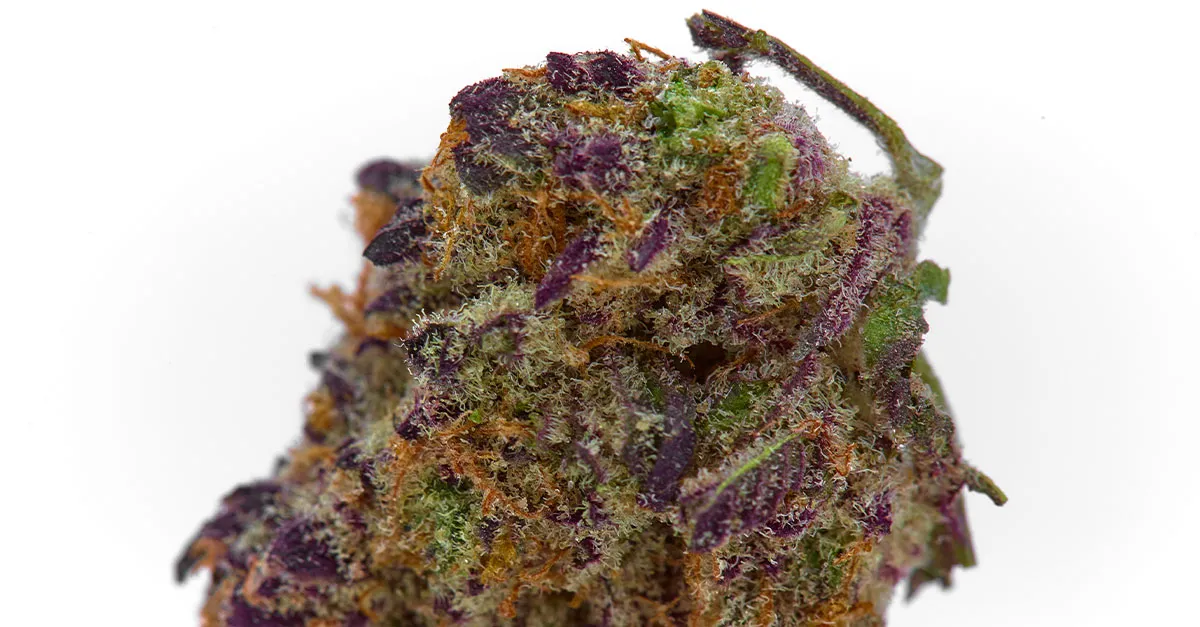
Even cannabis products which are lab tested and sold in dispensaries can develop mold. Temperature, light, humidity and air circulation all play a role in the development of mold. It is harmful to ingest moldy cannabis. That is why it is crucial for all medical cannabis patients to be able to identify mold on their cannabis products. In this article we will define mold, give examples of mold common to cannabis, explain why it is dangerous, how to identify it and give tips on how to keep your cannabis mold free.
What is Mold?
Mold is a form of fungus that thrives in moist and humid environments that do not have adequate air ventilation. It reproduces itself by way of tiny, lightweight, airborne spores. Humans inhale or ingest tiny amounts of mold spores on a daily basis, the majority of which are not harmful to a healthy immune system. Once your cannabis contains mold spores, it is extremely difficult to get rid of them. They can survive combustion when heated with a lighter and the decarboxylation process in the oven. Some molds can produce carcinogenic mycotoxins.
Mold Found on Cannabis Plants
The two main types of mold that grow on cannabis plants are:
- Powdery Mildew
- Botrytis or Grey Mold which causes bud rot
Other types include Mucor, Cladosporium, Rhizopus, Aspergillus and Penicillium.
How To Tell if Weed is Moldy
Visual Examination of Your Cannabis Product
It can be somewhat tricky to identify mold on trichomes, due to the similarities in their appearance. Healthy trichomes are glittering, sparkly, tall and thin resinous glands separated by small spaces. They contain minute hairs that look transparent or milky white with mushroom-like tips. If you were to look at mold under a microscope, you would just see a fuzzy, dirty looking substance.
Powdery Mold on Cannabis
Powdery Mildew is easy to see and can be observed from a distance with the naked eye. It can appear as yellow or grey fuzz, blotchy, a fine grey or white powder or dust resembling powdered sugar. Other signs are dark spots, a thick spider web or even slime. It may even be mistaken for dusted kief but on closer examination looks like sawdust or dust.
Grey Mold or Botrytis
Grey mold is the most common type of fungus that affects cannabis plants and is found on plants grown inside, outside or in a greenhouse. It typically affects the plants during the latest stage of flowering but it can also develop during the drying process.
The humidity level is the most crucial factor in the development of botrytis. The higher the humidity level, the higher the chances that the cannabis plants will be savaged by fungi and pests. Botrytis growth thrives between 63°F and 77°F, but it can develop at higher temperatures. It is also likely to develop if there is a big difference between daytime and nighttime temperatures.
Botrytis attacks all parts of the cannabis plant; roots, stems, leaves and flowers. The first indicator is a change in the texture and color of the plant. The leaves become necrotic and dry out very quickly. The stems turn brown and become fragile and ulcerated. The fungus is most commonly found in the buds which become pale-grey, dry, cotton-like and soft inside the cola or central flower cluster. The best way to verify that your cannabis bud has grey mold is to pull apart the cola to see if it has the telltale signs.
Other Visual Signs of Fungi/Pest
Some mold resembles cobwebs around the buds, with a webbing that looks like grey or white cotton-candy. This may also be the result of spider mites which clearly you want to avoid ingesting or inhaling.
Microscope and Black Light
Low-powered, inexpensive microscopes can be used to easily identify mold which produces filaments known as hyphae which bear no resemblance to trichomes. Mold spores that glow a weird green color will show up under a black light.
The Smell Test
Another way to verify moldy cannabis products is by smelling them. Mold spores release volatile organic compounds (VOCs). They can smell musty like a wet basement, or like urine or sweat, although some molds and mildews don’t produce odors.
Touch and Sound
Buds that are correctly dried and cured will make a crisp snapping sound when you pull them apart. If it feels damp and makes no sound when you pull it apart, it was probably not dried correctly, increasing the chance of mold development.
Check The Media and Brand Websites for Recalls
State, city, company websites may post notice of recalls of particular batches of products. If you buy in Ohio, learn what the state’s mold and yeast testing rules mean.
Health Hazards of Cannabis Molds
Cannabis molds are especially dangerous for patients with any severe respiratory condition or a compromised immune system. Here are the potential reactions that mold can cause:
- Any upper respiratory symptoms such as coughing, wheezing, shortness of breath and chest tightness or pain
- Stuffy nose
- Red or itchy eyes
- Fever
- Lethargy
- Memory loss
- Severe allergic reaction
The good news is that if you ingest or inhale mold a few times, your symptoms should only last for a short time. However, long-term exposure may lead to serious lung diseases. Not only is mold bad for your health, but it is bad for the well-being of the cannabis plant; it degrades the cannabinoids and terpenes, diminishing its potency. Unfortunately, the only recourse for the presence of mold or mildew in your cannabis products is to throw it away. In the case of bud, check the container in which it was stored to make sure it hasn’t contaminated the other buds. Let your dispensary know.
Tips to Keep Your Cannabis Products Free of Mold
- Store them in a cool, dry place but do not refrigerate or freeze them. The ideal temperature for flower is just under 77°F.
- Keep them in airtight containers made of dark glass
- The optimum level of humidity in your storage jars should be 59% to 63%. You can buy disposable humidity packs, such as Boveda packs, that you place inside your jars. Many dispensaries sell containers precisely for this purpose. For more storage tips, see our guide on how to properly store cannabis for freshness.
And even gummies seem to be prone to developing mold!
Sources:
- cannabismd.com, Here’s How To Tell If Your Cannabis Has Mold, Ed Weinberg, May 2, 2019
- greenhealthdocs.com, How To Spot and Avoid Marijuana Mold, April 13, 2020
- merryjane.com, Are You Smoking Moldy Weed? Here’s How To Check, April 2, 2019, Randy Robinson
- weedmaps.com, How To Identify and Avoid Buying Moldy Weed
For general information. This post isn't medical or legal advice. Cannabis rules differ between Ohio and Maryland and can change, so check with the Ohio Division of Cannabis Control or the Maryland Cannabis Administration. Talk to a healthcare provider before using cannabis for a medical condition. For adults 21+ and registered medical patients.
More from the Bloom blog.

Education9 min read
What Are THC Drinks? A Complete Guide to Cannabis Beverages
What are THC drinks? How nano-emulsified cannabis beverages work, how fast they kick in, how they compare with alcohol and edibles, and how to dose them.
Bloom TeamNovember 10, 2026
Education5 min read
Cooking with Cannabis: Butter, Oil and Infusion Basics
Cooking with cannabis: how to decarb, make cannabutter and cannabis oil, estimate the THC in homemade edibles, and simple recipes to start with.
Bloom TeamOctober 30, 2026
Education3 min read
Cannabis Topicals: How They Work and How to Use Them
What are cannabis topicals? How creams, balms, roll-ons and patches work, why most don't get you high, how to use them and what to know about drug tests.
Bloom TeamOctober 27, 2026
Earn points, get the deals first.
Join Bloom Rewards free and start with 200 points, plus member-only deals and news from Bloom.
- 200 points for joining
- 1 point per $1 spent
- 100 points = $5
- Member-only deals and drops
Earn at any Bloom in Ohio or Maryland. Pick your store when you sign up.