What Gives Purple Cannabis Flower Its Pigmentation?
Why do some cannabis strains turn purple? Learn how anthocyanins, genetics, cold and pH create purple buds, plus the facts and myths about purple weed.
By Bloom Team
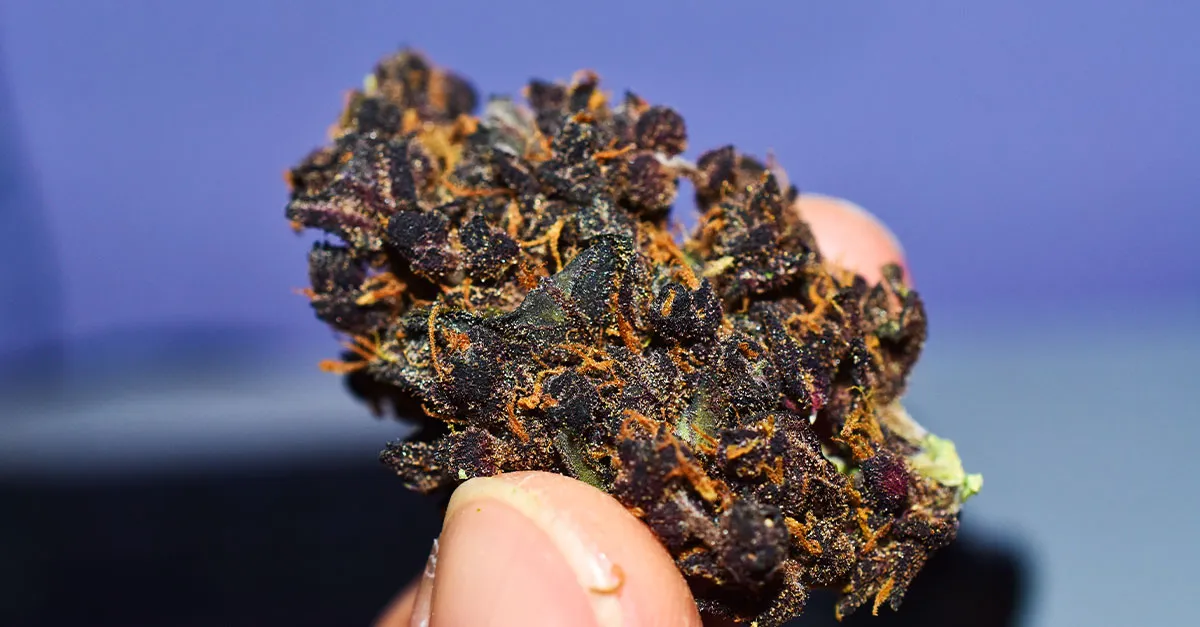
Purple cannabis flower is aesthetically very pleasing and we join the many cannabis aficionados who love the look of it. Before we were tasked with writing about purple cannabis flower, we just assumed that the purple color was due to a specific terpene content. However, this is not the case. There is also some confusion about whether or not purple strains are more potent and/or more medically beneficial than other cannabis strain colors. In this article, we will explain why some cannabis strains are purple and will present the facts and the myths surrounding purple cannabis strains.
What Gives Purple Cannabis Strains Their Color?
Anthocyanins
Anthocyanins are members of a class of substances called flavonoids. They are typically found in fruits, vegetables, cereals, teas, and nuts as well as in cannabis plants. Here’s a fun fact. Despite sounding like it has to do with flavor, the origin of the “flav” in flavonoids comes from flavus, the Latin word for yellow. Historically, plants with high amounts of anthocyanin have been used in herbal medicines for thousands of years in North America, Europe and China.
They are thought to have the following medicinal benefits:
- Antioxidant properties
- Antimicrobial properties
- Anti-inflammatory properties
- Protects the heart and liver
- Improves vision and neurological health
- Prevents obesity and diabetes
Anthocyanins are responsible for giving purple cannabis strains their vibrant color. They are water-soluble pigments that are present in many plants. They are responsible for giving blueberries their blue color, red grapes their red color and blackberries their black color. These molecules come in a range of colors which include gold, red, dark green, purple, dark blue and black. Temperature, light, pH levels, and structure all play a role in determining the specific color and stability of its pigments.
Just to put this into perspective, the process that causes leaves to change color in the autumn can be explained by the interaction of anthocyanins with other flavonoids. A similar process occurs with certain cannabis strains where they go through a spectrum of colors, including purple. This color change happens with cannabis plants as they reach maturity at the flowering stage as well as when the temperature starts to decrease in the autumn.
However, a strain must be predisposed to turn purple and this depends on its genetic makeup. Certain strains contain more anthocyanins than others. During the “winter” cycle of flowering, their genetic predisposition along with unique chemical factors and their growing environment account for the expression of the purple pigmentation.
Are Purple Strains Healthier?
Purple cannabis flowers contain higher concentrations of antioxidants. You would have to eat large quantities of buds in order to reap any benefit from their antioxidant properties. Not recommended!
Purple strains do have a tendency to contain lower levels of THC although high-THC purple strains are possible to cultivate. The purple strains available for purchase in dispensaries are not the result of stressing the plant but of good genetics, according to veteran grower, Matt Gosling. Consumers remember purple strains. However, Gosling points out that trying to breed a plant with a stronger purple pigment could actually compromise its quality, both in its potency and in its medicinal properties.
Purple Strains Facts and Myths
Facts
1. Choose The Right Strain
In order to grow a purple strain, it is necessary to choose one high in anthocyanins. Here is a list of some of the best purple strains:
- Granddaddy Purple
- Purple Haze
- Purple Trainwreck
- Purple Kush
- Blueberry Kush
- Blackberry
2. The Cold Can Turn Cannabis Purple
Cold temperatures break down chlorophyll which allows the anthocyanins to dominate. Exposure of cannabis plants to cold temperatures can cause the leaves to change color. However, this only happens with strains genetically produced to turn purple. It is extremely important to do it gradually and at the right time, which is right before harvest time. A nighttime temperature of 50°F is ideal, but there must be a gradual temperature reduction to avoid shocking the plants. Exposure to the cold for too long may decrease their production. Exposure to extreme cold can cause damage and even the death of the plants. Purple strains grown outside at cooler temperatures may turn purple with no intervention by growers.
3. pH Levels May Affect The Color of Cannabis
Exposure of anthocyanins to different pH levels affects their color. Acidic conditions, which is low pH, may turn plants red. Neutral pH typically results in a purple color. Alkaline, which is high pH, typically results in a blue color.
Myths
1. Stressing A Strain Will Turn It Purple
A popular myth is that cannabis leaves will turn purple if the plant is not given the necessary nutrients for survival. These include potassium, phosphorus, oxygen, carbon dioxide and nitrogen. In fact, starving them of nourishment will result in the death of the plants.
2. Freezing A Strain Will Turn It Purple
Subjecting cannabis plants to flash freezing or ice water flushes is not recommended. It could cause a loss of THC potency but also may result in the death of the plants.
And finally, this myth is absurd and we find it difficult to believe that anyone would even consider it, but….
3. You Can Dye Your Cannabis Purple With Food Coloring
Obviously, this would be a waste of time and effort and we would love to know who came up with this!
Color is only one clue about your flower. Learn how to know if your cannabis is good quality, or, if you want to try growing your own, read our tips on how to grow weed.
Sources:
- Potguide.com, Why Does Weed Turn Purple? Truths and Myths about Purple Cannabis, Matthew Mongelia, April 5, 2018
- wayofleaf.com, Why Does Cannabis Turn Purple? Myths and Facts, July 3, 2020
- https://wayofleaf.com/cannabis/growing/best-nutrients-for-growing-cannabis
For general information. This post isn't medical or legal advice. Cannabis rules differ between Ohio and Maryland and can change, so check with the Ohio Division of Cannabis Control or the Maryland Cannabis Administration. Talk to a healthcare provider before using cannabis for a medical condition. For adults 21+ and registered medical patients.
More from the Bloom blog.

Education9 min read
What Are THC Drinks? A Complete Guide to Cannabis Beverages
What are THC drinks? How nano-emulsified cannabis beverages work, how fast they kick in, how they compare with alcohol and edibles, and how to dose them.
Bloom TeamNovember 10, 2026
Education5 min read
Cooking with Cannabis: Butter, Oil and Infusion Basics
Cooking with cannabis: how to decarb, make cannabutter and cannabis oil, estimate the THC in homemade edibles, and simple recipes to start with.
Bloom TeamOctober 30, 2026
Education3 min read
Cannabis Topicals: How They Work and How to Use Them
What are cannabis topicals? How creams, balms, roll-ons and patches work, why most don't get you high, how to use them and what to know about drug tests.
Bloom TeamOctober 27, 2026
Earn points, get the deals first.
Join Bloom Rewards free and start with 200 points, plus member-only deals and news from Bloom.
- 200 points for joining
- 1 point per $1 spent
- 100 points = $5
- Member-only deals and drops
Earn at any Bloom in Ohio or Maryland. Pick your store when you sign up.