Does Cannabis Help with PTSD?
Explore what research says about cannabis and PTSD, including THC and CBD studies, potential benefits, limitations, and how to talk to a provider.
By Bloom Team
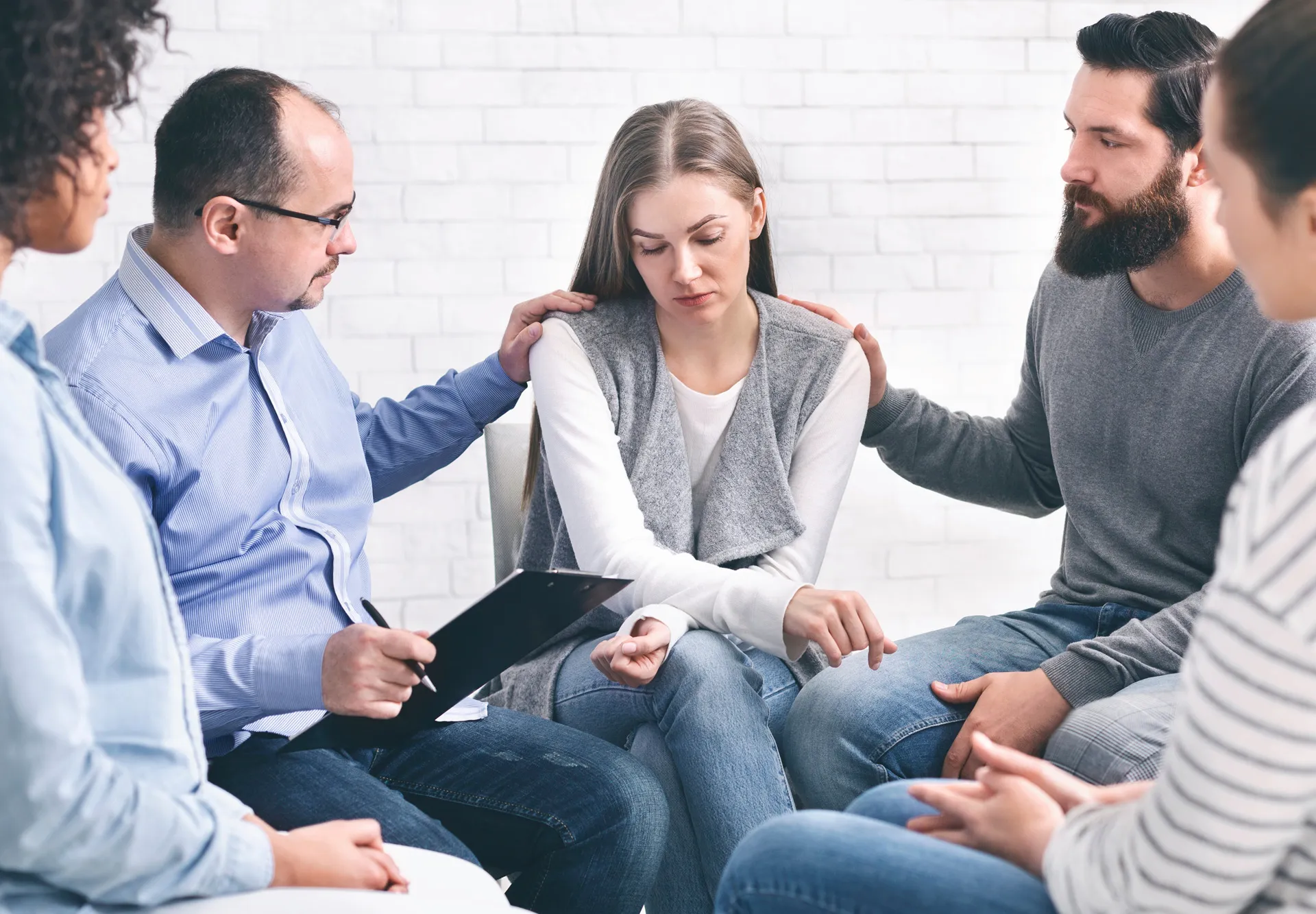
When the topic of medicating with cannabis comes up, one question that’s often asked is, “does cannabis help with mental health?”
So, before we address the topic of cannabis and PTSD let’s explore the question, how does cannabis affect your mental health?
Cannabis and Mental Health
Marijuana Investigations for Neuroscientific Discovery (MIND) has conducted a number of studies on the use of cannabis for medicinal purposes. One study examined the impact of cannabis on cognitive performance over a two-year period.
This study found that those who used cannabis to treat anxiety and other medical conditions showed significantly improved cognitive performance, reduced clinical symptoms, and reduced anxiety. They also showed a reduction in the use of medications like mood stabilizers and antidepressants.1
Does Cannabis Provide Mental Health Benefits?
A team of American and Canadian researchers conducted a review of science back in 2016 to explore potential cannabis mental health benefits. Their findings were published in Clinical Psychology Review and suggested that cannabis could be beneficial for those dealing with depression, social anxiety, and PTSD.
Although their findings indicated that medicating with cannabis could lead to unfavorable side effects for those dealing with bipolar disorder, the results of the study suggest that cannabis could be beneficial for those battling addiction.2
Potential Replacement for Opioid Medications
In a TIME magazine article, the study’s lead author, Associate Professor Zach Walsh of the University of British Columbia, said, “This is a substance that has potential use for mental health … . If people use cannabis as a replacement for opioid medications, or to get off of opioids or cut back, we could see some pretty dramatic public health benefits.”2
So now that we have a better understanding of the potential of cannabis in the treatment of mental health issues, let’s consider the question, “can cannabis help with PTSD?”
Does Cannabis Help with PTSD?
Post-traumatic stress disorder (PTSD) is a condition that can occur after someone has experienced or witnessed a traumatic event like a serious injury, a natural disaster, or war.
Following the traumatic event, certain triggers can bring back memories of the trauma and cause a person to experience symptoms that can include:
- Disturbing thoughts and nightmares
- Anxiety, sadness, and depression
- Feelings of detachment
PTSD affects about 3.5% of adults in the U.S. and it’s estimated that one out of eleven people will be diagnosed with PTSD during their lifetime.3 Depending on the severity of the traumatic event, PTSD can last for months or years.
For some, the symptoms of PTSD can subside after some time has passed following the traumatic event. Others are able to work through their PTSD with the help of friends and family. Some will need professional treatment that can include speaking to a therapist, medication, or a combination of both.
Research on Cannabis as Treatment for PTSD
Up until recently, there had been little research on the therapeutic potential of cannabis in the treatment of PTSD. And although more research needs to be done, early results suggest cannabis may help some people manage their PTSD symptoms.
In September of 2020, a research paper published in The Journal of Affective Disorders reported that people using inhaled cannabis rated their PTSD symptoms more than 50% lower shortly after use.
Although the study suggested that cannabis may provide temporary relief from the symptoms associated with PTSD, it also noted it may not be an effective long-term remedy by itself.
The study also highlighted emerging evidence that the endocannabinoid system may represent a viable target for treating PTSD.4 Learn more about the endocannabinoid system and how it works in your body.
THC in the Treatment of PTSD Symptoms
A study published in December of 2020 in Cannabis and Cannabinoid Research, led by Dr. Marcel O. Bonn-Miller of the University of Pennsylvania, compared participants diagnosed with PTSD who used cannabis from state-licensed dispensaries with those who had PTSD but did not use cannabis to treat their symptoms.
After this one-year study that included 150 participants, it was determined that those who medicated with cannabis reported greater improvement in their symptoms. It also found that those who medicated with cannabis were about two and a half times (2.57 times) more likely to no longer meet the diagnostic criteria for PTSD by the end of the study than those who did not. Because the study was observational, the authors called for randomized placebo-controlled trials.5
The Multidisciplinary Association for Psychedelic Studies (MAPS) is a non-profit organization committed to raising awareness of psychedelic substances and their potential in the treatment of mental health issues.
MAPS sponsored the first FDA-regulated, randomized, placebo-controlled study of smoked cannabis as a potential treatment option for veterans diagnosed with PTSD.
The aim of the study was to compare the therapeutic potential of different ratios of THC and CBD in the treatment of PTSD.
Do Different Amounts of THC and CBD Make a Difference?
As you know, THC (delta-9-tetrahydrocannabinol) is the psychoactive compound found in cannabis that provides the high sensation. CBD (cannabidiol) is another active compound in cannabis but unlike THC, CBD does not have psychoactive properties.
The results of the MAPS 2021 study were published in the peer-reviewed journal, PLOS One. The study of 80 veterans reported improvement in the symptoms of participants who smoked a high-THC blend (about 12% THC). It also reported improvements with a high-CBD blend (11% CBD) and a blend with roughly 8% each of THC and CBD. However, participants in the placebo group improved as well, and no blend statistically outperformed placebo in this brief, preliminary trial.6
The lead author of the study, Dr. Marcel O. Bonn-Miller, said “This study served as the first randomized placebo-controlled trial comparing the therapeutic potential of varying ratios of THC and CBD for treating symptoms of PTSD.” He added that larger trials would help determine the minimally effective doses of THC needed to safely treat individuals suffering from PTSD.6
Research Reinforces What Those with PTSD Have Already Known
Although more research needs to be conducted, it is promising to see that research is reinforcing what many who deal with PTSD have already known - cannabis may help to provide relief from PTSD symptoms.
CBD and THC are just two of more than 100 cannabinoids found in cannabis. Learn more about how THC, CBD, and other cannabis compounds may work together.
The Best Way to Medicate with Cannabis Is Different for All
Let Bloom Help You Find What Works for You
Everyone’s experience with medicinal cannabis will vary. Instead of focusing on which strain you should medicate with, it’s important to strike the right balance of cannabinoids and terpenes that work best with your endocannabinoid system. Stop by a Bloom dispensary in Ohio or Maryland, and our budtenders can help you explore products and consumption methods that fit your needs. If you’re living with PTSD, talk with your healthcare provider before adding cannabis to your care plan.
_______________________________
Sources
- https://www.apa.org/monitor/2018/12/marijuana#:~:text=These%20studies%20have%20found%20that,including%20opioids%2C%20benzodiazepines%2C%20and%20other
- https://time.com/4573129/marijuana-cannabis-mental-health/
- https://psychiatry.org/patients-families/ptsd/what-is-ptsd
- https://www.sciencedirect.com/science/article/pii/S0165032720306364?via%3Dihub
- https://www.forbes.com/sites/emilyearlenbaugh/2020/12/22/ptsd-sufferers-who-used-cannabis-were-25-times-more-likely-to-recover-in-a-recent-study/?sh=191b6d5c4321
- https://www.vfw.org/media-and-events/latest-releases/archives/2021/9/federal-study-finds-cannabis-beneficial-for-ptsd-treatment
For general information. This post isn't medical or legal advice. Cannabis rules differ between Ohio and Maryland and can change, so check with the Ohio Division of Cannabis Control or the Maryland Cannabis Administration. Talk to a healthcare provider before using cannabis for a medical condition. For adults 21+ and registered medical patients.
More from the Bloom blog.
Education9 min read
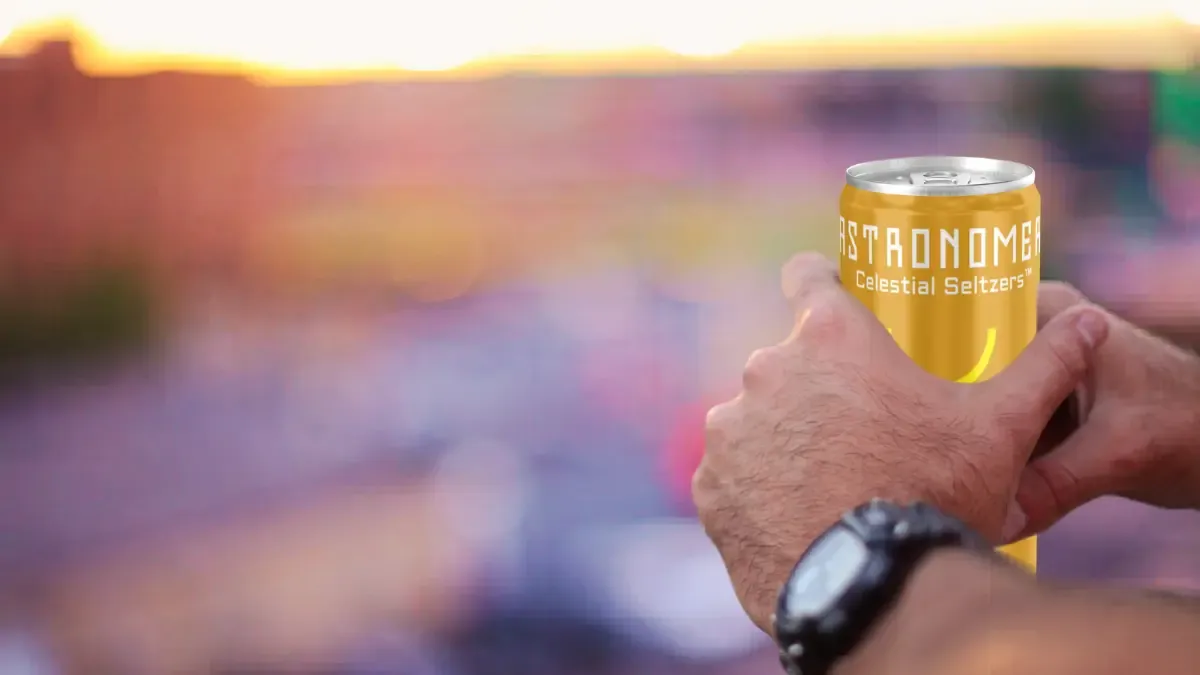
What Are THC Drinks? A Complete Guide to Cannabis Beverages
What are THC drinks? How nano-emulsified cannabis beverages work, how fast they kick in, how they compare with alcohol and edibles, and how to dose them.
Bloom TeamNovember 10, 2026
Education5 min read
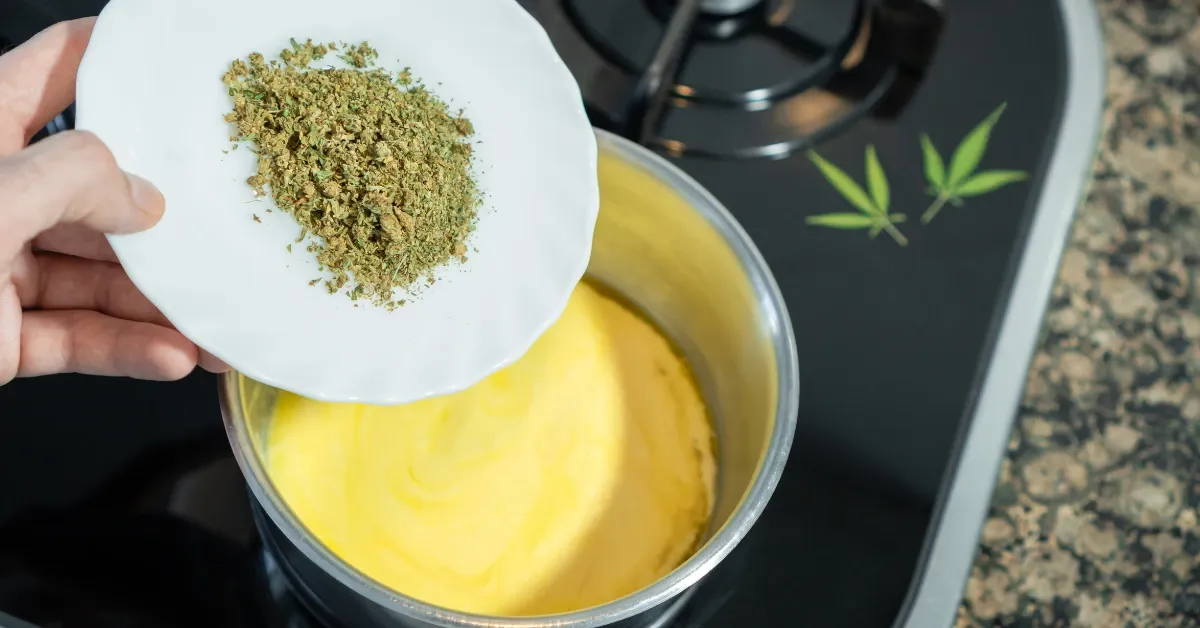
Cooking with Cannabis: Butter, Oil and Infusion Basics
Cooking with cannabis: how to decarb, make cannabutter and cannabis oil, estimate the THC in homemade edibles, and simple recipes to start with.
Bloom TeamOctober 30, 2026
Education3 min read
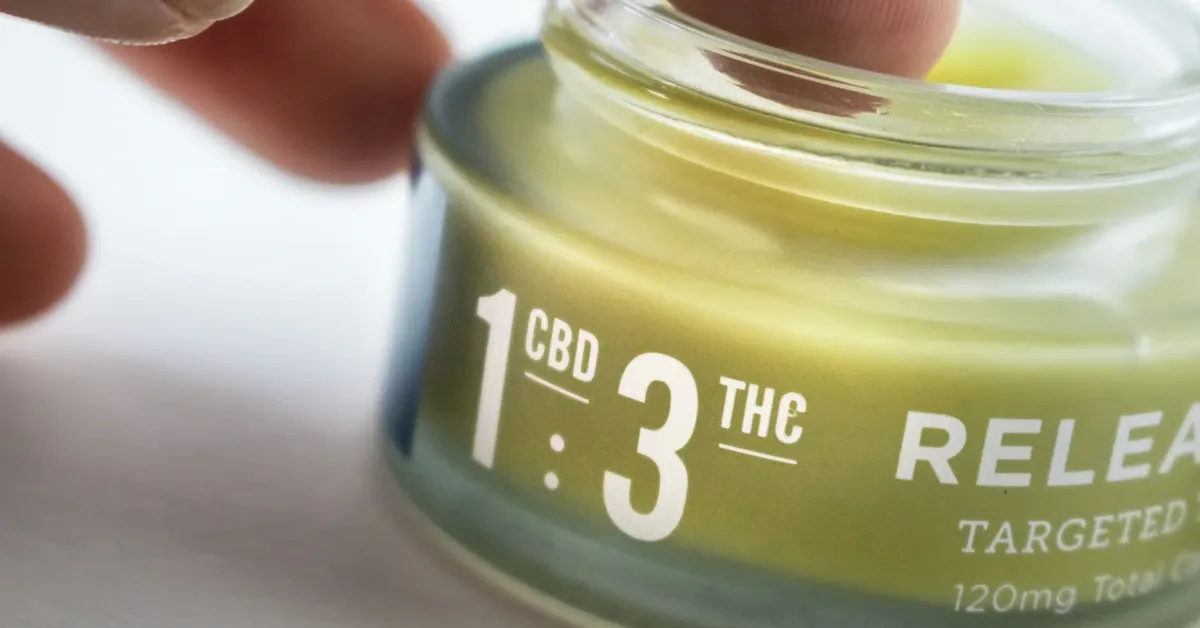
Cannabis Topicals: How They Work and How to Use Them
What are cannabis topicals? How creams, balms, roll-ons and patches work, why most don't get you high, how to use them and what to know about drug tests.
Bloom TeamOctober 27, 2026
Earn points, get the deals first.
Join Bloom Rewards free and start with 200 points, plus member-only deals and news from Bloom.
- 200 points for joining
- 1 point per $1 spent
- 100 points = $5
- Member-only deals and drops
Earn at any Bloom in Ohio or Maryland. Pick your store when you sign up.