Hemp vs Cannabis: What's the Difference?
What's the difference between hemp and cannabis? Learn how THC levels define each, the history of hemp in the U.S., and how hemp CBD and hemp seed oil compare.
By Bloom Team
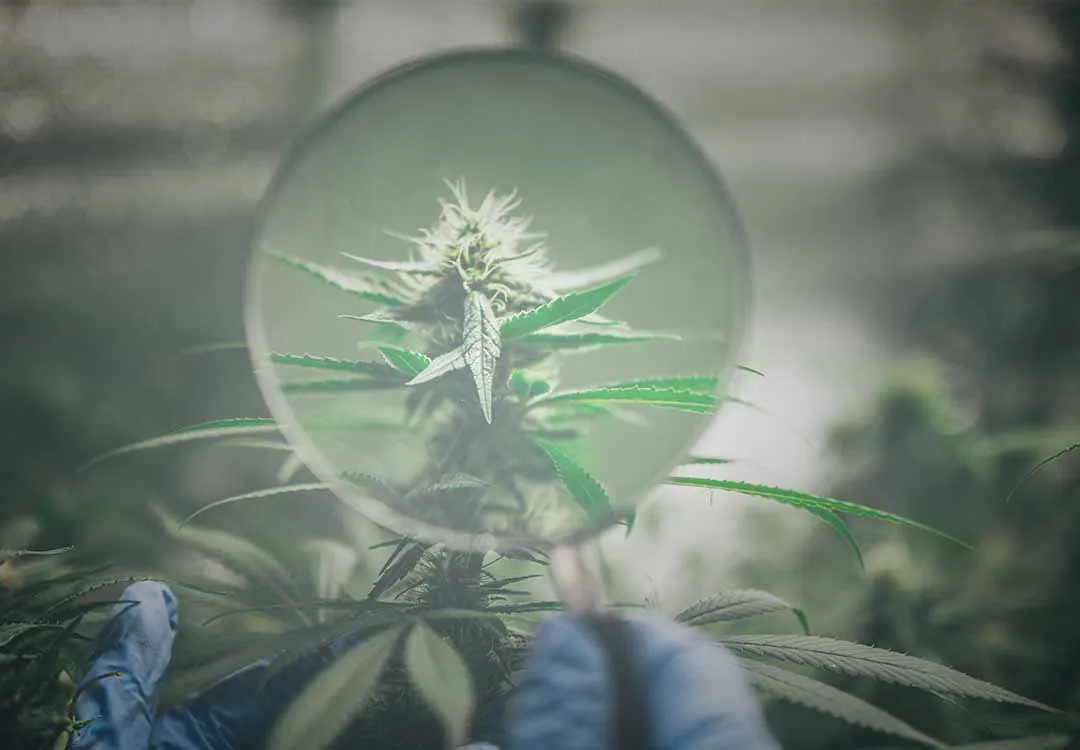
Have you ever wondered about the differences between hemp, cannabis, and marijuana? If so, you’ve come to the right place.

It might surprise you that the distinction between the terms cannabis and hemp is a fairly recent thing in historical terms. The same goes for the term marijuana, which was not introduced into the American lexicon until the early 1900s.
Before we get into the differences between these three terms today, let’s start with a quick review of the history of cannabis.
The History of Cannabis Goes Back Thousands of Years
The domestication of cannabis can be traced back about 12,000 years (8000 BCE) to Asia. In addition to being used to make cords for pottery, hemp seed and hemp oil were also used for food. (1)
After that, cannabis spread across various civilizations around the world. In 1550 BC, it was noted in an Egyptian medical papyrus of herbal knowledge that cannabis can be effective in treating inflammation among other things. (2)
Fast forward a few thousand years, to 1606 AD when hemp/cannabis was introduced to what were then the British colonies. Hemp was used to make things like canvas, paper, cloth, ropes and sails. It played such an important role for the economy that in the 1700s, farmers were actually required to grow hemp. (3)

George Washington was said to grow hemp and it is also believed that early drafts of the Declaration of Independence were written on paper made from hemp.
At this time in our country’s history there was little distinction between the terms hemp and cannabis. It wasn’t until around 1753 that the scientific term of cannabis was used to describe the hemp plant in the US. (4)
So what exactly are the differences between hemp and cannabis according to current law?
Hemp vs. Cannabis
According to the Agriculture Improvement Act of 2018 the determination of whether a plant is classified as hemp or cannabis comes down to the amount of tetrahydrocannabinol (THC), which is the psychoactive ingredient in cannabis.
- Hemp is defined as a variety of cannabis that contains less than 0.3% THC
- Plants containing more than 0.3% THC are classified as cannabis.
Update (2026): Congress changed the federal hemp definition in November 2025 (Public Law 119-37). When the change takes effect in late 2026, hemp will be measured by total THC (including THCA) rather than delta-9 THC alone, final hemp-derived products with more than 0.4 mg of total THC per container will no longer qualify as hemp, and cannabinoids synthesized or manufactured outside the plant will be excluded.
In a nutshell, the main difference between hemp and cannabis is the amount of THC. Plants and products labeled as hemp will have trace amounts of THC, so they will not make users feel high.

Cannabis belongs to the family of flowering plants known as Cannabaceae. There are three recognized species of cannabis:
- Cannabis sativa - described as having energizing effects that can help to reduce stress and anxiety, while boosting creativity and mental focus
- Cannabis indica - described as having sedative, full-body effects and known to help promote relaxation while alleviating pain and insomnia
- Cannabis ruderalis - a short plant that produces low amounts of THC and high amounts of CBD
It is important to note that the effects commonly associated with indica and sativa strains will not be the same for everyone. Since every patient has different needs and a unique endocannabinoid system, each person’s experience will be different.
Hemp vs Marijuana Difference
Now that we understand the differences between hemp and cannabis, let’s talk about the term marijuana. Throughout the 1800s, medical journals used the plant’s scientific name of cannabis.
It wasn’t until the early 1900s that the term marijuana came into the picture. That is when sentiment about the hemp plant started to shift - with federal restrictions and regulations on the sale of hemp put in place around 1906.
In 1916, however, the USDA published findings that hemp could produce four times more paper per acre than trees. And in 1938, Popular Mechanics published an article explaining that hemp could be used in 25,000 different industrial applications.

Just as the world was beginning to understand the industrial potential of hemp, the Marijuana Tax Act of 1937 came along and heavily taxed hemp sales.
This is right around the time when the term Marijuana entered our lexicon.
There are some who believe the term was created to bring a stigma to cannabis. They say the heavy taxation of hemp was aimed at helping the emerging plastic and nylon industries, as well as vertically integrated paper companies who had a financial interest in seeing the lumber industry thrive.
The bottom line is that when you hear the term Marijuana today it is being used to refer to cannabis which contains more than 0.3% THC. The term marijuana is popular with recreational users of cannabis who may also use terms like weed or bud. For more on these terms, see what is cannabis, and is it different from hemp and marijuana.
Hemp’s Role in the U.S. War Effort
After initiating the heavy taxation of hemp in 1937, the US Government had to soften its stance on hemp in 1942. That’s when the USDA initiated the “Hemp for Victory” program to encourage farmers to grow hemp to make rope for the U.S. Navy during World War II.

Then after the war ended, restrictions on growing and selling hemp were put back into place—while alternatives to hemp, like plastic and nylon, were encouraged. Eventually hemp farming was banned in 1970 with the passing of the Controlled Substances Act which classified hemp as a schedule 1 drug.
With that, a plant that had been valued for its industrial, nutritional, and medicinal potential for thousands of years, was placed in the same category as LSD and heroin.
Fortunately, with more states legalizing cannabis for medical and recreational use, the therapeutic benefits of cannabis are once again within reach for many Americans.
Hemp CBD vs. Cannabis CBD
In addition to the cannabinoid known as THC, which is the psychoactive compound in cannabis, there are more than 100 cannabinoids within the cannabis plant.
One example is cannabidiol (CBD). In addition to helping with stress and anxiety, clinical trials suggest CBD can help treat childhood epilepsy. As we mentioned earlier, the main difference between a hemp and cannabis plant is the amount of THC by percentage. The same applies to CBD.

Hemp derived CBD will have higher levels of CBD and trace amounts of THC, while cannabis derived CBD can contain similar doses of both.
When it comes down to it, both types of CBD are molecularly identical regardless of if they’re derived from hemp or cannabis. But, there are a few factors that differentiate CBD from hemp vs cannabis.
For example, cannabis tends to be richer in CBD than most hemp. So cannabis derived CBD can contain higher levels of CBD.
Another difference is that certain cannabis-derived CBDs, like full-spectrum CBDs, contain all cannabis compounds, including THC. Many believe that by ingesting THC and CBD together it can enhance the benefits of both-which is known as the entourage effect.
Click here to read our blog that explains how CBD oils with THC can provide enhanced health benefits.
Does Hemp Flower Have THC?
The term flower refers to the blooms or “buds” of the cannabis or hemp plant. Although hemp flower and cannabis flower look similar, their effects are not the same.
Cannabis flower contains more than 0.3% THC. Hemp flower on the other hand, contains less than 0.3% THC - meaning patients can enjoy its therapeutic benefits without the psychoactive effects.
Learn more about the differences between indica and sativa strains.
Cannabis Oil vs. Hemp Seed Oil
Cannabis oil extracted from cannabis contains all the cannabinoids in the plant, including THC and CBD. For the most part, cannabis oils will have higher levels of THC and lower levels of CBD.

What about hemp seed oil?
Hemp seed oil, or hemp oil, is extracted from the seeds of the cannabis plant. Although hemp seeds contain no THC and little CBD, they are packed with nutrients, omega-3 and omega-6 fatty acids, antioxidants, and bioactive compounds.
In addition to containing high levels of vitamin B and D, hemp seeds are rich in linoleic acid, which research shows can help to reduce the levels of “bad” cholesterol (LDL). Because of that it is believed hemp seed can help to reduce the risk of high blood pressure, stroke, and heart disease. (6)
The Best Way to Medicate with Cannabis Is Different for Everyone
Let Bloom Help to Determine Which Way is Best for You
Everyone’s experience with medicinal cannabis will vary. Instead of focusing on the kind of strain you should medicate with, it is important to strike the right balance of cannabinoids and terpenes that work best with your endocannabinoid system.
Doing so can help you get more from your cannabis.
Stop by a Bloom dispensary in Ohio or Maryland, and our budtenders can help you find the consumption methods and forms of cannabis that are right for you.
For general information. This post isn't medical or legal advice. Cannabis rules differ between Ohio and Maryland and can change, so check with the Ohio Division of Cannabis Control or the Maryland Cannabis Administration. Talk to a healthcare provider before using cannabis for a medical condition. For adults 21+ and registered medical patients.
More from the Bloom blog.
Education9 min read
What Are THC Drinks? A Complete Guide to Cannabis Beverages
What are THC drinks? How nano-emulsified cannabis beverages work, how fast they kick in, how they compare with alcohol and edibles, and how to dose them.
Bloom TeamNovember 10, 2026
Education5 min read
Cooking with Cannabis: Butter, Oil and Infusion Basics
Cooking with cannabis: how to decarb, make cannabutter and cannabis oil, estimate the THC in homemade edibles, and simple recipes to start with.
Bloom TeamOctober 30, 2026
Education3 min read
Cannabis Topicals: How They Work and How to Use Them
What are cannabis topicals? How creams, balms, roll-ons and patches work, why most don't get you high, how to use them and what to know about drug tests.
Bloom TeamOctober 27, 2026
Earn points, get the deals first.
Join Bloom Rewards free and start with 200 points, plus member-only deals and news from Bloom.
- 200 points for joining
- 1 point per $1 spent
- 100 points = $5
- Member-only deals and drops
Earn at any Bloom in Ohio or Maryland. Pick your store when you sign up.