Sativa vs Indica: What's the Difference Between Them
Sativa vs. indica vs. hybrid: where the labels came from, why they don't reliably predict effects, what does, and how to shop by cannabinoids and terpenes.
By Bloom Team
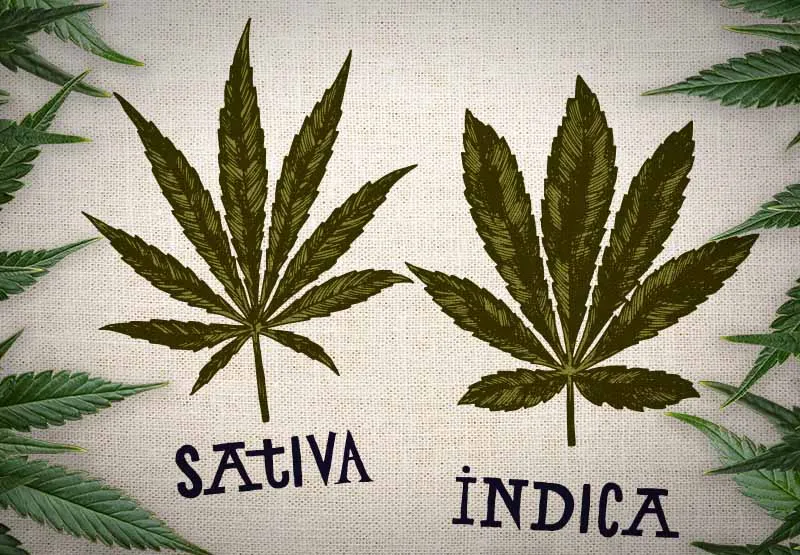
Walk into any dispensary and the menu is split into three columns: sativa, indica and hybrid. Ask around and you’ll hear the classic shorthand: sativa is energizing, indica is relaxing and hybrid is somewhere in between. It’s a useful starting point, but it’s oversimplified to the point of being misleading. The real story is more interesting, and understanding it will make you a better cannabis shopper.
Where the Labels Came From
The words sativa and indica originally described the shape of two different cannabis plants. Cannabis sativa, named in 1753, described tall plants with narrow leaves. Cannabis indica, named in 1785, described shorter, bushier plants with broad leaves from regions like the Hindu Kush mountains. Botanists also recognize Cannabis ruderalis, a small, fast-flowering type with very little THC.
Those labels were about how the plant looks and grows, not how it makes you feel. Over the last few decades, the cannabis industry adopted them as shorthand for effects: sativa for “up,” indica for “down.”
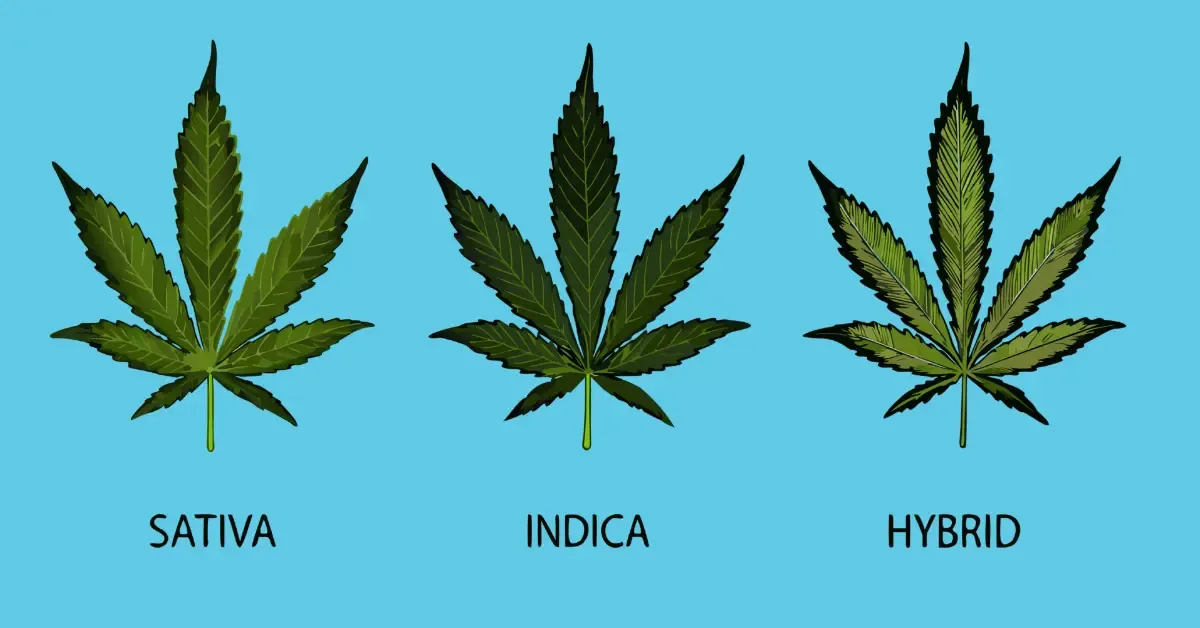
Indica Plants
Indica plants are short and bushy, with broad, dark leaves. They tend to flower faster and stay compact, which makes them practical for indoor growing. They trace back to the cooler, mountainous regions of South Central Asia around the Hindu Kush.
Sativa Plants
Sativa plants are tall and slim, with long, narrow leaves, and they can reach 6 feet or more. They take longer to mature and come from warmer regions like Africa, Mexico, Central America and Southeast Asia.
Why the Labels Don’t Predict Effects Anymore
A 2022 study in PLOS ONE analyzed the chemistry of tens of thousands of commercial cannabis samples and found that sativa, indica and hybrid labels did a poor job of predicting a product’s actual chemical profile.1 Two strains labeled “sativa” can be chemically more similar to an “indica” than to each other.
Decades of crossbreeding have mixed cannabis genetics so thoroughly that pure sativa or pure indica strains are rare. Almost everything on a modern menu is technically a hybrid. See why most strains are actually hybrids.
What Actually Shapes How a Strain Feels
1. Cannabinoids
The balance of THC and CBD, plus minor cannabinoids like CBG, CBN and THCV, all shape the experience. See major vs. minor cannabinoids.
2. Terpenes
Aromatic compounds like myrcene, limonene and caryophyllene are associated with whether a strain feels relaxing, uplifting or focused. See our guide to terpenes in cannabis.
3. You
Your endocannabinoid system, tolerance, mood, setting and even what you ate all affect how a strain lands.
How to Use the Labels Without Being Misled
The labels aren’t worthless. They’re a rough first filter, especially if you’ve consistently liked one category. Just don’t stop there.
- Use the label as a starting point, not a final answer.
- Check the terpene profile. If a strain is high in myrcene and linalool, many people find it more relaxing, whatever the label says.
- Look at THC and CBD. A high-CBD “sativa” will feel nothing like a high-THC one.
- Ask your budtender how a strain actually lands for customers. See how budtenders match terpenes to the effect you want and how to read a cannabis label.
Common Assumptions, Checked
“Indica means in-da-couch”
Catchy, but not reliable. A heavy, relaxed feel is more closely linked to myrcene than to the indica label. Many indica-labeled strains happen to be high in myrcene, which is probably why the stereotype sticks. See what is couch lock.
“Sativas are for daytime”
Some are; others are relaxing. Strains people associate with feeling alert tend to be high in terpinolene, limonene or pinene, which can show up in any category. See what does sativa do to you and our budtender picks for daytime cannabis.
“Hybrids are balanced”
Not necessarily. A hybrid can lean heavily either way. The word just means the strain has parents from both sides.
Strains Our Customers Ask About
These strain descriptions reflect common reports, not guarantees. What’s in stock varies by store, so check the live menu.
Cement Shoes (Indica)
A cross of Animal Cookies, OG Kush Breath and Wet Dreams, also called Concrete Shoes. It’s known for high THC and a heavy, relaxed feel that most people save for the evening, with a sweet, nutty flavor and hints of citrus, berry and mint.
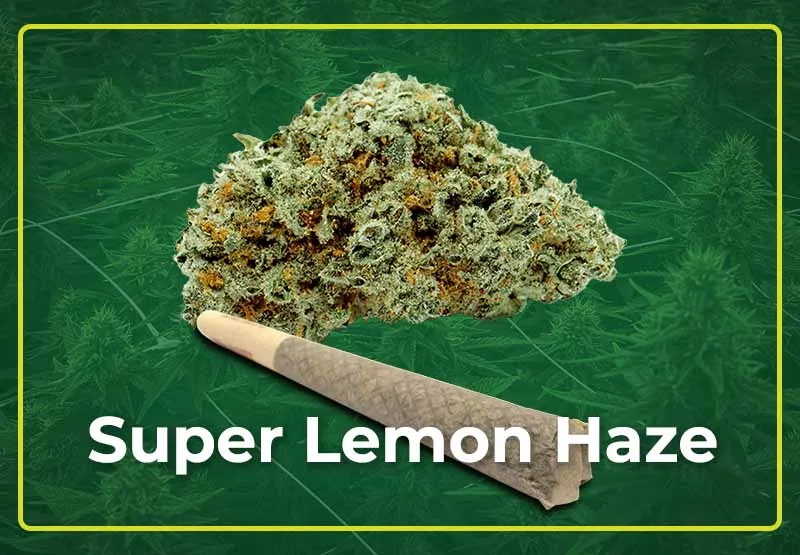
Super Lemon Haze (Sativa-Dominant)
A cross of Lemon Skunk and Super Silver Haze and a two-time High Times Cannabis Cup winner. People often describe it as uplifting and zesty, with a bright lemon aroma, and it often tests above 20% THC.
Baby Banner (Hybrid)
A cross of OG Kush and Strawberry Diesel. People describe a strong start that mellows into something clear-headed and creative. Its leading terpenes are myrcene, caryophyllene and limonene.
For more strain ideas, see Ohio’s most popular sativa strains, and for blending, is it bad to mix weed strains.
A Smarter Way to Shop
Instead of starting with the label, start with how you want to feel. Looking to wind down? Ask about strains high in myrcene or linalool. Want something brighter? Ask about limonene or pinene. Then check THC and CBD and start with a small amount.
Frequently Asked Questions
Is indica better for sleep than sativa?
Not reliably. Strains high in myrcene and linalool are often described as more relaxing, and many indica-labeled strains are high in those terpenes, but it’s the chemistry doing the work, not the label.
What is a hybrid strain?
Any strain with both sativa and indica in its lineage, which describes most modern cannabis. Hybrids can lean either way or sit in the middle.
Why do dispensaries still use the labels?
Because shoppers expect them and they’re handy shorthand. The industry is slowly moving toward describing strains by their chemical profile, but that shift will take time.
Is there a real difference between sativa and indica plants?
Botanically, yes: the plants look and grow differently. But the differences in chemistry and effects have largely blurred through crossbreeding.
What’s the best type for beginners?
None in particular. Beginners usually do best starting with a low-THC or balanced product and paying attention to how they feel, whatever the label.
The Bottom Line
Sativa, indica and hybrid are useful words but unreliable predictors. The real information is on the label: the cannabinoids, the terpenes and the total potency. Learn to read those and you won’t be at the mercy of a three-word menu.
Where to Buy
Maryland
Bloom welcomes medical patients and recreational customers 21+ at our Germantown dispensary.
Ohio
Bloom serves registered medical patients and recreational customers 21+ at seven Ohio dispensaries:
- Bloom Akron
- Bloom Athens
- Bloom Massillon
- Bloom Painesville
- Bloom Seven Mile
- Bloom South Columbus
- Bloom West Columbus
Footnotes
For general information. This post isn't medical or legal advice. Cannabis rules differ between Ohio and Maryland and can change, so check with the Ohio Division of Cannabis Control or the Maryland Cannabis Administration. Talk to a healthcare provider before using cannabis for a medical condition. For adults 21+ and registered medical patients.
More from the Bloom blog.

Education9 min read
What Are THC Drinks? A Complete Guide to Cannabis Beverages
What are THC drinks? How nano-emulsified cannabis beverages work, how fast they kick in, how they compare with alcohol and edibles, and how to dose them.
Bloom TeamNovember 10, 2026
Education5 min read
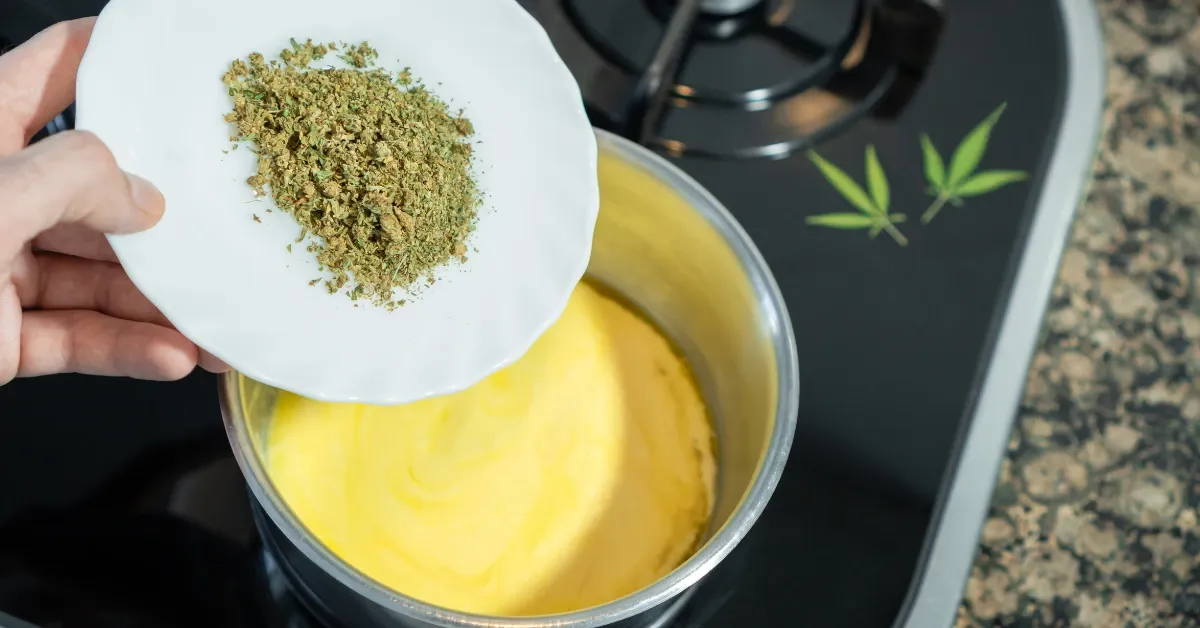
Cooking with Cannabis: Butter, Oil and Infusion Basics
Cooking with cannabis: how to decarb, make cannabutter and cannabis oil, estimate the THC in homemade edibles, and simple recipes to start with.
Bloom TeamOctober 30, 2026
Education3 min read
Cannabis Topicals: How They Work and How to Use Them
What are cannabis topicals? How creams, balms, roll-ons and patches work, why most don't get you high, how to use them and what to know about drug tests.
Bloom TeamOctober 27, 2026
Earn points, get the deals first.
Join Bloom Rewards free and start with 200 points, plus member-only deals and news from Bloom.
- 200 points for joining
- 1 point per $1 spent
- 100 points = $5
- Member-only deals and drops
Earn at any Bloom in Ohio or Maryland. Pick your store when you sign up.