How Long Does a Cannabis High Last? The Complete Timeline
How long does a cannabis high last? Onset, peak and total duration for smoking, vaping, edibles, tinctures and topicals, plus what changes it.
By Bloom Team
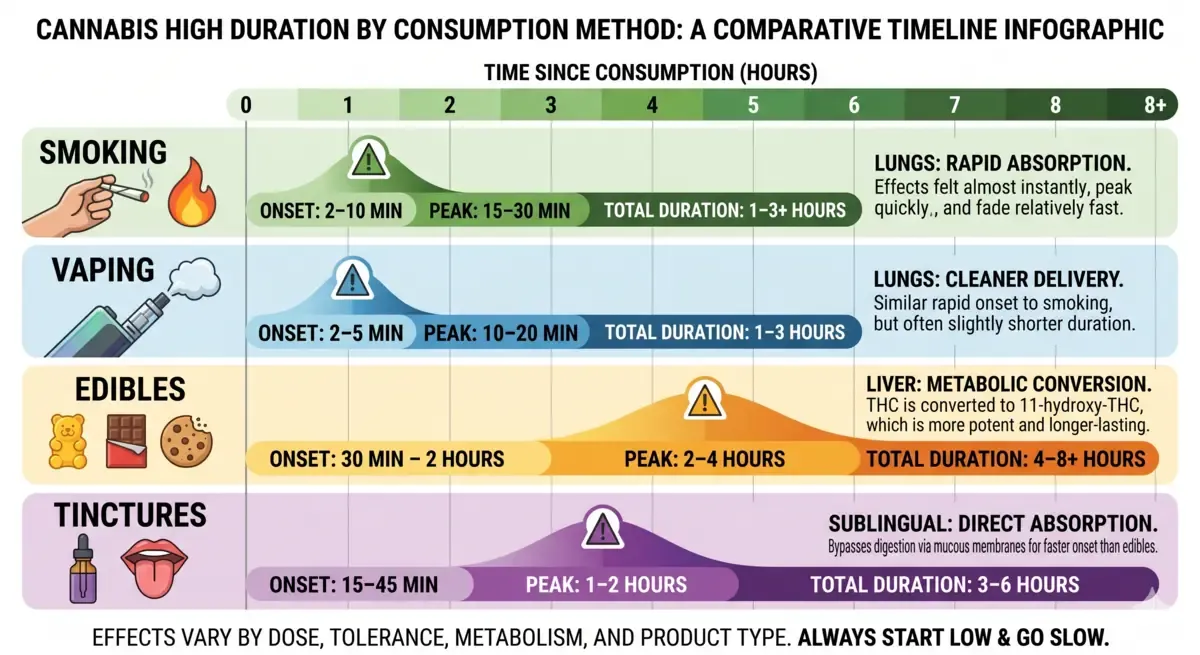
How long you’ll feel cannabis depends mostly on how you consumed it. The effects of a hit off a joint can be fading within a couple of hours. A brownie you ate at dinner can still be affecting you at bedtime. A tincture sits somewhere in between. This guide breaks down typical timelines for each method (onset, peak, tail and recovery) so you know what to expect before you consume, not after.
The Three Phases of a Cannabis High
Every cannabis experience, whatever the method, moves through three phases:
- Onset: the time from consuming to feeling effects. This is where methods differ the most.
- Peak: the window of strongest effects, usually 1–2 hours for most methods.
- Tail or comedown: effects gradually fade. Methods differ here again: smoking fades quickly, edibles fade slowly.
Smoking and Vaping Flower
- Onset: within seconds to a few minutes
- Peak: 15–30 minutes after consuming
- Total duration: 1–3 hours
- Lingering effects: possibly mild, for a few hours
Inhaled cannabinoids reach the bloodstream through the lungs in seconds. That’s why smoking and vaping produce the fastest onset of any method. Quick absorption is also why the peak and total duration are shorter: there’s no delayed release from the digestive system.
For a full comparison of the two methods, see vaping vs. smoking cannabis.
Vaping Concentrates (Dabs and Carts)
- Onset: within seconds
- Peak: 10–30 minutes
- Total duration: 1–3 hours
- Intensity: higher than flower, because concentrates are more potent
Concentrates follow the same timeline as flower because both are inhaled, but the higher potency means the peak can feel more intense. See our guide to cannabis concentrates for more.
Edibles
- Onset: 30 minutes to 2 hours
- Peak: 1.5–3 hours after eating
- Total duration: 4–8 hours
- Lingering effects: possibly mild, up to 12 hours later
Edibles are a completely different experience from smoking. Cannabinoids pass through the digestive system and liver before reaching the brain, and the liver converts THC into 11-hydroxy-THC, a more potent, longer-lasting compound.1 That’s why edibles can feel stronger and last longer than an equivalent smoked dose.
For dosing, see our guide to edible dosing for new users and experts, and avoid the five mistakes first-timers make with edibles.
Tinctures
- Onset (held under the tongue): 15–45 minutes
- Onset (swallowed): 1–2 hours
- Peak: 1–2 hours
- Total duration: 4–6 hours
Tinctures are a hybrid. Some of the dose is absorbed under the tongue (faster onset), and some is swallowed and processed like an edible (slower onset, longer tail). The result is a faster start than edibles and a more gradual, sustained effect than smoking. See our guide to cannabis tinctures for details.
Topicals
- Onset: 15–30 minutes
- Peak: about 1 hour
- Total duration: 2–6 hours, localized to where you applied it
- Psychoactive effects: none, except with transdermal patches
Topicals act where they’re applied and don’t produce a high. See our guide to cannabis topicals.
What Affects How Long Your High Lasts
Your Metabolism
People who metabolize cannabinoids faster may have shorter highs. Slower metabolizers may feel effects for longer.
Your Body Composition
THC is fat-soluble and is stored in fat cells. Body composition affects how it’s distributed and cleared, though the relationship is complicated and varies from person to person.
Your Tolerance
Regular users may feel shorter, less intense highs at the same dose, because the body adapts to repeated THC by reducing CB1 receptors. A tolerance break can reset this. Learn more about CB1 receptors in our guide to the endocannabinoid system.
The Dose
Higher doses produce longer highs, up to a point. Doubling your dose doesn’t double the duration, but it usually extends the peak and the tail.
Food and Hydration
Eating before or during cannabis use can slow absorption, especially with edibles, and stretch the experience out.
The Strain
Terpene profiles may shape how a high feels. See our guide to terpenes in cannabis.
How Long Does THC Stay in Your System?
Feeling high and testing positive are different timelines. Effects might fade in 2 hours, but THC metabolites can be detectable for days or weeks. Typical ranges:
- Saliva tests: 24–72 hours after use
- Blood tests: 1–7 days for occasional users, up to about 30 days for heavy users
- Urine tests: 3–30 days, depending on how often you use
- Hair tests: up to 90 days
Actual detection depends on frequency, dose, body composition and how sensitive the test is.
What to Do If Your High Lasts Too Long
Waiting is the main solution. Cannabis effects always fade; the question is how uncomfortable it feels in the meantime. A few things can help:
- Drink water.
- Eat a light snack.
- Take CBD if you have it. It may soften the intensity of a THC high.
- Find a calm place with low stimulation.
- Sleep if you can. You’ll wake up feeling much better.
For more, see how to sober up from weed.
Frequently Asked Questions
Why do edibles last so much longer than smoking?
Because of the liver. When you eat cannabis, the liver converts THC into 11-hydroxy-THC, which is more potent and lasts longer. Smoked THC skips that first pass through the liver, so it comes on faster and fades faster.
Can you still be high the next day?
After a strong edible, especially one taken late, you may feel groggy or a little foggy the next morning. This usually clears within 12–18 hours.
Does CBD shorten a THC high?
Not really. CBD may soften the intensity of a THC high, but it doesn’t noticeably shorten the overall duration.
Why am I tired after a cannabis high?
The comedown often brings mild fatigue, hunger and relaxation. That’s normal and usually passes after rest or sleep.
Do highs get shorter as tolerance builds?
Generally, yes. Experienced users often report shorter, less intense highs at the same dose compared with beginners.
How long should I wait to drive after using cannabis?
At least several hours: ideally 8 or more after smoking and 12 or more after edibles. Impairment can outlast the high you feel, and driving under the influence is illegal and dangerous no matter how you feel. When in doubt, don’t drive.
The Bottom Line
Cannabis duration is predictable once you know the method. Smoking and vaping peak fast and fade in 1–3 hours. Edibles are a 4–8 hour commitment with a delayed start. Tinctures start faster than edibles and taper more gently. Topicals act locally for a few hours and don’t get you high. Knowing these timelines before you consume is how you avoid surprises and plan cannabis around your day.
Browse every product category at Bloom Ohio or Maryland.
Footnotes
For general information. This post isn't medical or legal advice. Cannabis rules differ between Ohio and Maryland and can change, so check with the Ohio Division of Cannabis Control or the Maryland Cannabis Administration. Talk to a healthcare provider before using cannabis for a medical condition. For adults 21+ and registered medical patients.
More from the Bloom blog.
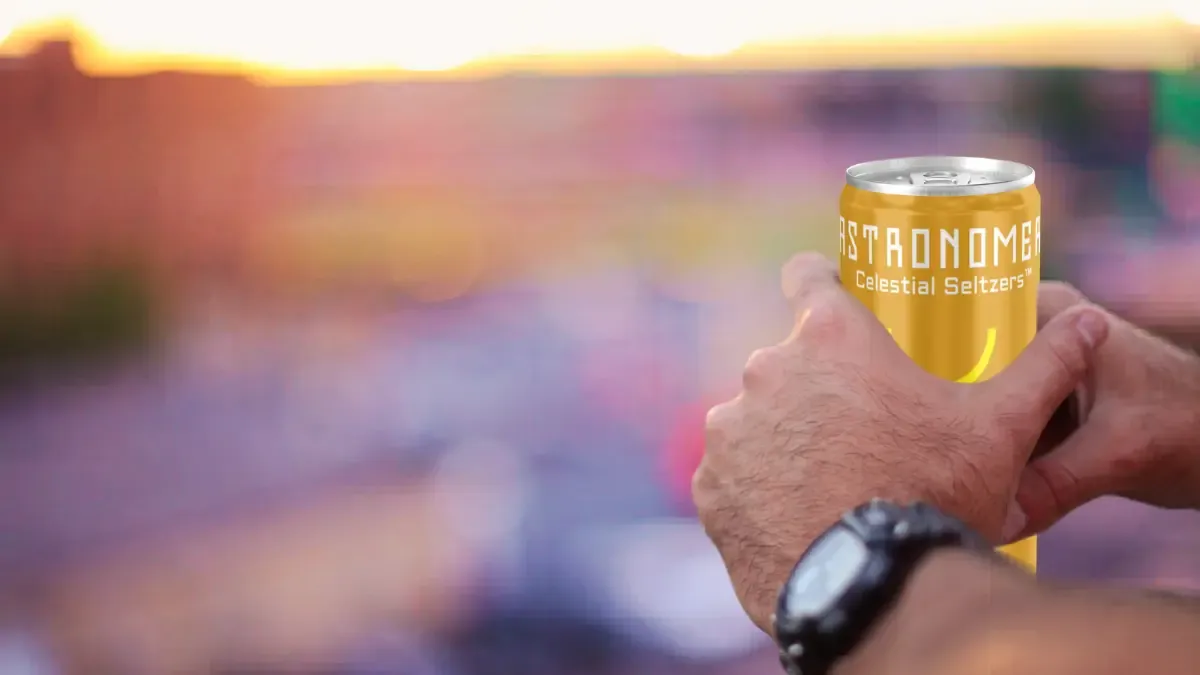
Education9 min read
What Are THC Drinks? A Complete Guide to Cannabis Beverages
What are THC drinks? How nano-emulsified cannabis beverages work, how fast they kick in, how they compare with alcohol and edibles, and how to dose them.
Bloom TeamNovember 10, 2026
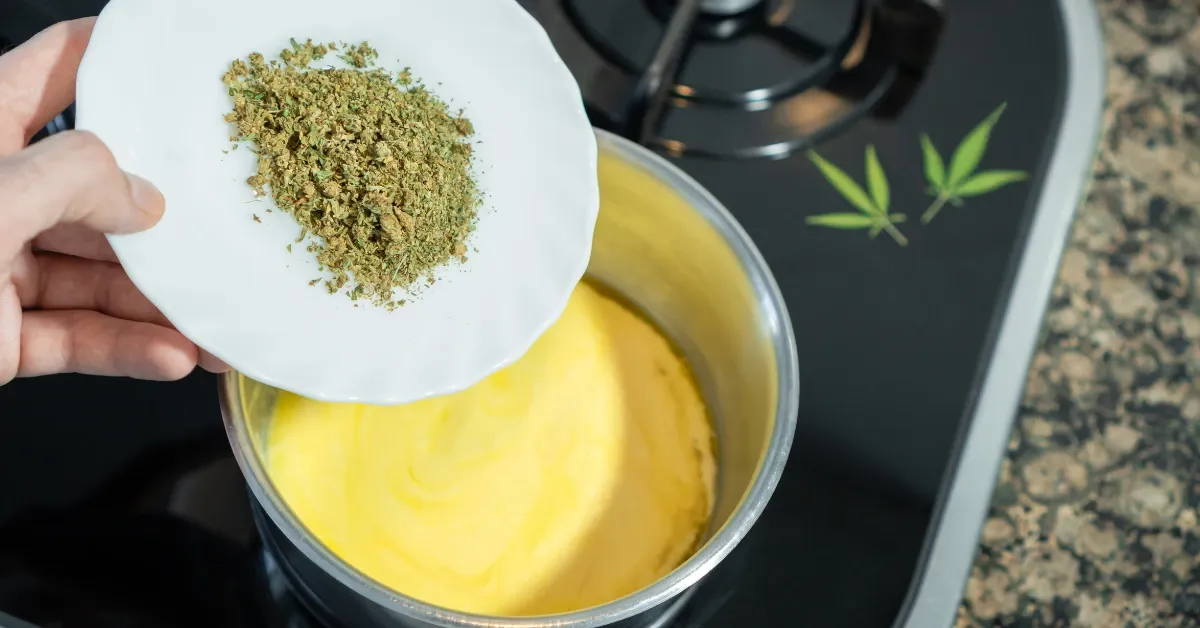
Education5 min read
Cooking with Cannabis: Butter, Oil and Infusion Basics
Cooking with cannabis: how to decarb, make cannabutter and cannabis oil, estimate the THC in homemade edibles, and simple recipes to start with.
Bloom TeamOctober 30, 2026
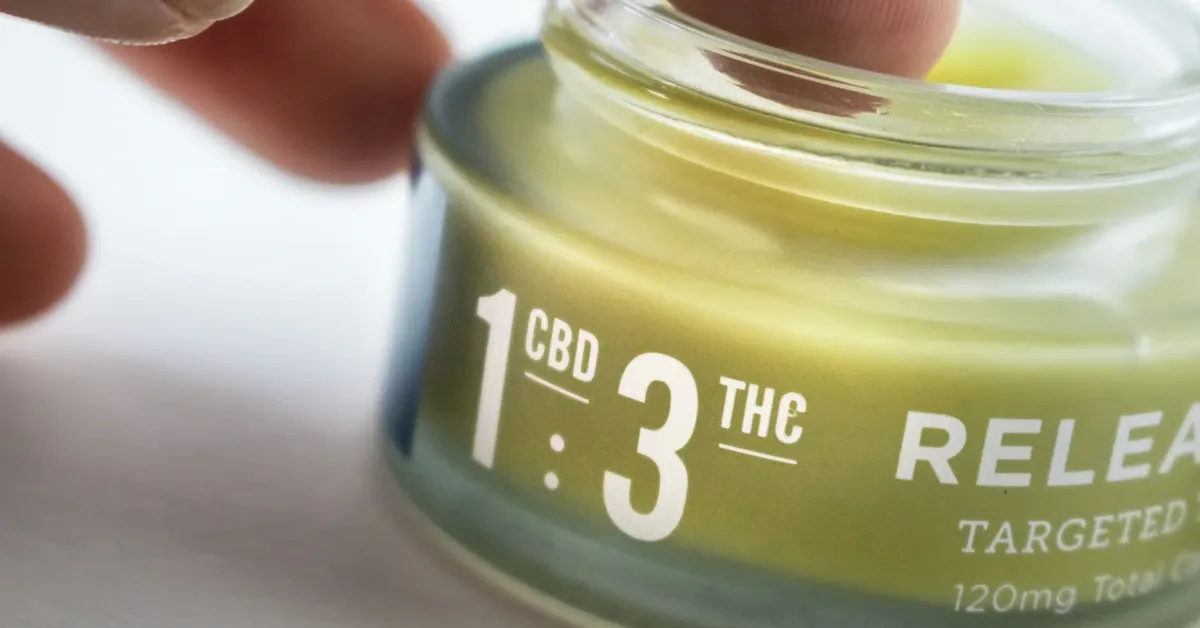
Education3 min read
Cannabis Topicals: How They Work and How to Use Them
What are cannabis topicals? How creams, balms, roll-ons and patches work, why most don't get you high, how to use them and what to know about drug tests.
Bloom TeamOctober 27, 2026
Earn points, get the deals first.
Join Bloom Rewards free and start with 200 points, plus member-only deals and news from Bloom.
- 200 points for joining
- 1 point per $1 spent
- 100 points = $5
- Member-only deals and drops
Earn at any Bloom in Ohio or Maryland. Pick your store when you sign up.