How To Overcome Cannabis Tolerance With Cannabinoid Cycling
Can switching between THC- and CBD-dominant strains help with cannabis tolerance? Learn how cannabinoid cycling works and how it compares to a T-break.
By Bloom Team
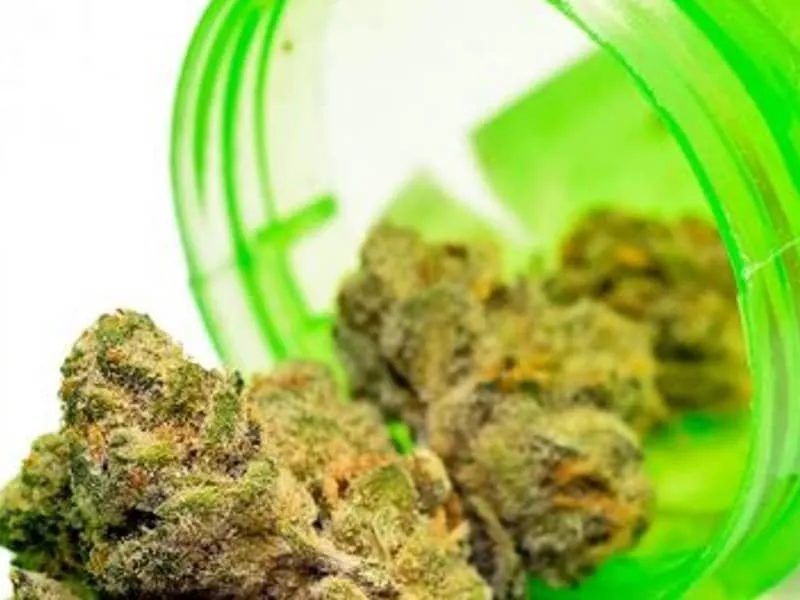
Knowing what to do when you realize that you have built up a tolerance to THC is a big problem for many patients in the medical cannabis community. We know this because we have seen many posts on the Medical Cannabis Community FB page addressing this concern. So, when we saw an article about something called Cannabinoid Cycling which offers a simple approach to dealing with THC tolerance, we knew we had to share that information with our readers.
Most of you may already know that one recommendation for overcoming tolerance to THC is to take tolerance breaks. That means taking a complete break from using cannabis for some days. For some patients, that is a daunting prospect, especially for those who enjoy relief from painful symptoms due to their daily cannabis usage. If you do decide on a break, see what we tell regulars about T-breaks.
First things first. Here is the explanation about why you build up a cannabinoid tolerance.
Your body builds up a tolerance to THC over a period of time when it receives more THC than is necessary; kind of a THC overload. It actually causes a change in the cell receptors with which THC binds. That translates into a less dense expression of the receptors and a loss of some of the receptor connectivity. This is a temporary change. Put simply, because you have too much THC in your body which is unnecessary, your cell receptors become less responsive to it. You no longer feel the effects, the relief of symptoms, that you previously felt from the THC.
Here is an interesting aside to the THC tolerance situation. Different areas of the body seem to develop a tolerance at different rates. There may be circumstances where a tolerance is beneficial. But, we will leave that one for now until there is more conclusive research on why that may be the case.
We have to briefly mention CBD tolerance. There is much less research available on CBD tolerance. What research there is suggests that building up a tolerance to CBD is actually therapeutic. Clinical trials for the epilepsy pharmaceutical, Epidiolex, were conducted in which patients gradually increased their intake of CBD to a full dose in order to build tolerance for the drug. Other research supports the notion that CBD tolerance is very different than THC tolerance. Although with any substance, building up a tolerance suggests the possibility of a decrease of potency.
Cannabinoid Cycling between THC and CBD
Besides taking a tolerance break, which is not a welcome option for many medical cannabis patients, another option is known as cannabinoid cycling. That is when you exchange high-THC, low-CBD strains for high-CBD, low-THC strains; a switching of the dominant cannabinoids. So, why does this work, you may ask?
While THC and CBD both have a myriad of therapeutic effects, they interact with the endocannabinoid system in very different ways. By changing from one dominant cannabinoid to the other, it is a bit like using a new medication when the previous one stopped working for you. The idea is that it may give your system a chance to reset to a lower tolerance level of psychoactivity, so that when you resume using high-THC strains, you may feel their effects more fully again. The reason for this is the way in which THC and CBD interact with cannabinoid receptors.
THC
THC is a partial cannabinoid receptor agonist which means that it acts like a key to unlock our endocannabinoid system (ECS) into maintaining homeostasis. THC interacts with specific cell receptors on the surface of our cells by signaling the initiation of various hormones and neurotransmitters in response to certain conditions. The ECS regulates our mood, immune function, metabolism, sleep, and reproduction. Our bodies produce endocannabinoids which are the natural version of THC. Some cannabis researchers are now referring to many diseases as the result of an “Endocannabinoid Deficiency.” The theory is that THC may stand in for natural endocannabinoids our bodies could be lacking, helping our body systems return toward homeostasis. Learn more in our overview of the endocannabinoid system.
CBD
While THC replaces the deficiency of our endocannabinoids, CBD regulates the release of the endocannabinoids in the body. CBD does not connect well with our cannabinoid receptors. Instead, it modulates our ECS so that it runs efficiently at optimal balance. If you have an endocannabinoid overload, CBD acts to decrease them. If you have an endocannabinoid deficiency, it will act to increase them.
Here is the 64,000 dollar question…we hope some of you got that reference.
How often should you cycle between THC and CBD dominant strains? There is virtually no research on cannabinoid cycling, so it is currently entirely anecdotal. As with everything cannabis related, each individual’s cannabis experience is unique. What works for you may not work for anybody else. In some cases, cycling from high-THC to high-CBD for a week was enough to reset their system to a lower tolerance level.
Cannabinoid cycling also comes up in some cannabis protocols promoted for people living with cancer. One such protocol calls for a 90-day cycle of a specific cannabis medicine after which patients take a break or switch to a different variety of cannabis. The support for this is anecdotal, and cannabis has not been shown to treat cancer, so anyone considering it should talk with their doctor.
Good luck if you try cannabinoid cycling! We hope you have success! If you’d like help choosing high-THC and high-CBD options to cycle between, stop by a Bloom dispensary in Ohio or Maryland, and our budtenders can help.
Source:
Herb.com, Cannabinoid Cycling: The Weed Hack You Never Heard About, Anna Wilcox, Sept. 27, 2016.
For general information. This post isn't medical or legal advice. Cannabis rules differ between Ohio and Maryland and can change, so check with the Ohio Division of Cannabis Control or the Maryland Cannabis Administration. Talk to a healthcare provider before using cannabis for a medical condition. For adults 21+ and registered medical patients.
More from the Bloom blog.

Education9 min read
What Are THC Drinks? A Complete Guide to Cannabis Beverages
What are THC drinks? How nano-emulsified cannabis beverages work, how fast they kick in, how they compare with alcohol and edibles, and how to dose them.
Bloom TeamNovember 10, 2026
Education5 min read
Cooking with Cannabis: Butter, Oil and Infusion Basics
Cooking with cannabis: how to decarb, make cannabutter and cannabis oil, estimate the THC in homemade edibles, and simple recipes to start with.
Bloom TeamOctober 30, 2026
Education3 min read
Cannabis Topicals: How They Work and How to Use Them
What are cannabis topicals? How creams, balms, roll-ons and patches work, why most don't get you high, how to use them and what to know about drug tests.
Bloom TeamOctober 27, 2026
Earn points, get the deals first.
Join Bloom Rewards free and start with 200 points, plus member-only deals and news from Bloom.
- 200 points for joining
- 1 point per $1 spent
- 100 points = $5
- Member-only deals and drops
Earn at any Bloom in Ohio or Maryland. Pick your store when you sign up.