The Science Behind Cannabis: How It Affects the Brain
How cannabis affects the brain: whether weed kills brain cells, neurogenesis, what THC and CBD do to the brain, and how terpenes like limonene and pinene act.
By Bloom Team
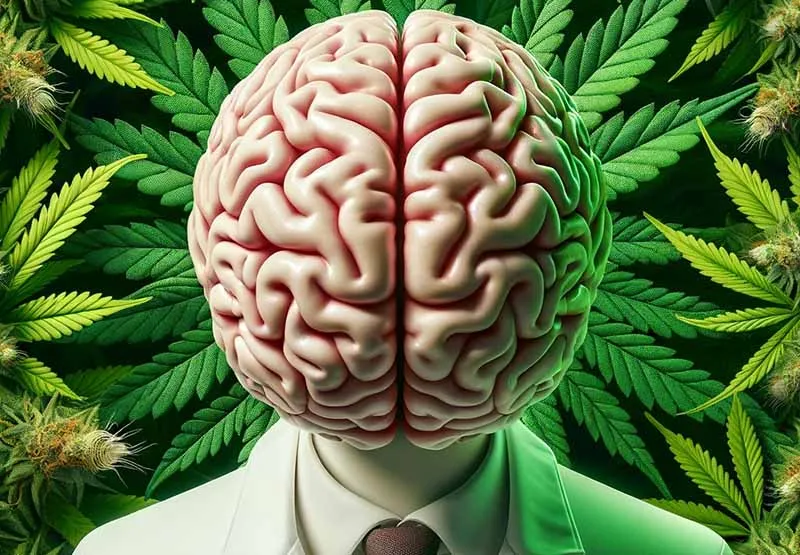
The interaction between cannabis and the brain has long been a subject of both curiosity and controversy. As cannabis gains legal status in more regions, understanding its effects on the brain becomes increasingly important. This article delves into the science behind cannabis, focusing on the potential benefits of THC, CBD, and terpenes on brain health, based on current research findings.

Online Dispensary
We found some interesting studies to bring you in this blog, but we also have some interesting products you can shop online for if you live in Maryland or Ohio!
Disclaimer: It’s important to remember that everyone’s endocannabinoid system is unique, and as such, reactions to cannabis can vary significantly from person to person. While certain strains and terpenes have been reported to aid in anxiety management, they may not work universally for everyone. We strongly advise consulting with a healthcare professional or a cannabis specialist to discuss the suitability of specific strains and terpenes for your individual needs.
Does Weed Kill Brain Cells?
One of the most pervasive myths about cannabis is its supposed ability to kill brain cells. Recent studies, however, present a more nuanced picture. Research in this area challenges the long-held belief that cannabis use directly results in the loss of brain cells. For instance, a study published in the Journal of Neuroscience suggests that moderate cannabis use does not significantly affect brain structure. It’s crucial, however, to approach these findings with a balanced perspective, acknowledging that more research is needed to fully understand cannabis’s long-term effects on the brain.
- Positive Benefits: Studies challenge the myth that cannabis kills brain cells, suggesting moderate use doesn’t harm brain structure.
- Product Example: CBD oil, known for its low THC content, is a cannabis product often explored for brain health without significant psychoactive effects.
- Medical Reference: A Journal of Neuroscience study indicates moderate cannabis use does not significantly affect brain structure, advocating for more nuanced understanding.

Can Brain Cells Regenerate?
The human brain has a remarkable capacity for neurogenesis, the process of generating new neurons. This ability is a key area of interest in studying the effects of cannabis on the brain. Some research indicates that compounds in cannabis, particularly CBD, might have neuroprotective properties that could support brain health and potentially foster neurogenesis. For example, a study in the British Journal of Pharmacology highlights CBD’s potential to promote hippocampal neurogenesis. While these findings are promising, they underscore the need for further investigation.
- Positive Benefits: Research shows CBD might have neuroprotective properties, supporting brain health and potentially encouraging neurogenesis.
- Product Example: CBD-infused supplements designed for cognitive support highlight the therapeutic potential of cannabis.
- Medical Reference: The British Journal of Pharmacology outlines CBD’s ability to promote hippocampal neurogenesis, underscoring the need for continued exploration.
What Does THC Do to the Brain?
THC, the psychoactive component of cannabis, interacts with the brain’s endocannabinoid system, influencing various functions, including mood, pain sensation, and appetite. Despite concerns about its psychoactive effects, THC has shown potential therapeutic benefits. Research indicates that THC may have neuroprotective qualities and could play a role in regulating mood and relieving pain. These findings suggest that THC’s interaction with the brain is complex and not solely detrimental. Read more in our guide to the endocannabinoid system.
- Positive Benefits: THC interacts with the endocannabinoid system to offer neuroprotective qualities and aid in mood regulation and pain relief.
- Product Example: THC-based tinctures for therapeutic use show how THC is being explored in controlled, therapeutic doses.
- Medical Reference: Research suggests THC’s neuroprotective and mood-regulating benefits, challenging views on its psychoactive effects.

CBD Effects on Brain
Unlike THC, CBD does not produce psychoactive effects, making it an area of interest for its potential therapeutic benefits. Studies have explored CBD’s impact on anxiety, cognitive function, and neuroprotection. For instance, research suggests that CBD may help reduce anxiety and improve sleep, potentially by altering brain response to anxiety-inducing stimuli. This points to CBD’s beneficial role in supporting brain health, particularly in stress-related and cognitive contexts.
- Positive Benefits: CBD’s non-psychoactive effects contribute to reducing anxiety and supporting cognitive functions.
- Product Example: CBD gummies for anxiety relief provide a practical example of CBD’s positive effects on the brain.
- Medical Reference: Studies, such as those suggesting CBD can alter brain responses to anxiety, highlight its potential in stress-related contexts.
How Do Terpenes Affect the Brain?
Terpenes, the aromatic compounds in cannabis, are not only responsible for the plant’s distinct smells but also contribute to its therapeutic effects. Research into terpenes like limonene and pinene suggests they may improve mood and cognitive function. These compounds interact with the brain in ways that could enhance well-being, making them a significant area of study in cannabis research. Learn more about cannabis terpenes.
- Positive Benefits: Terpenes like limonene and pinene may improve mood and cognitive function, enhancing well-being.
- Product Example: Terpene-rich essential oils used in aromatherapy underscore the mood-enhancing properties of these compounds.
- Medical Reference: Research into how limonene and pinene affect the brain supports their potential for mood improvement and cognitive benefits.
The relationship between cannabis and the brain is intricate and multifaceted. While there is concern over potential adverse effects, current research also uncovers the beneficial impacts of THC, CBD, and terpenes on brain health. As the scientific community delves deeper into these compounds, it’s clear that cannabis holds both challenges and opportunities for understanding brain function. Continued research and an open dialogue are essential for navigating the complexities of cannabis and its place in both medicine and society.
Shop Cannabis Online
Stop by a Bloom dispensary in Ohio or Maryland, and our budtenders can help you find the right medical or recreational cannabis products for you.

Ohio Bloom Dispensaries:
Ohio boasts a selection of top-notch dispensaries, and Bloom proudly operates seven convenient locations across the state, serving registered medical marijuana patients and adult-use customers 21+. Choose a city near you and visit us at Bloom. We look forward to serving you soon!
- Bloom Akron
- Bloom Athens
- Bloom Massillon
- Bloom Painesville
- Bloom Seven Mile
- Bloom South Columbus
- Bloom West Columbus
Maryland Bloom Dispensary:
Bloom is thrilled to serve both medical marijuana patients and adult-use customers 21+ at our Germantown dispensary in Maryland. Our dispensary offers a curated selection of premium cannabis products, perfect for those seeking deep relaxation or euphoric bliss. Discover a world of quality cannabis experiences with us in Germantown!
For general information. This post isn't medical or legal advice. Cannabis rules differ between Ohio and Maryland and can change, so check with the Ohio Division of Cannabis Control or the Maryland Cannabis Administration. Talk to a healthcare provider before using cannabis for a medical condition. For adults 21+ and registered medical patients.
More from the Bloom blog.

Education9 min read
What Are THC Drinks? A Complete Guide to Cannabis Beverages
What are THC drinks? How nano-emulsified cannabis beverages work, how fast they kick in, how they compare with alcohol and edibles, and how to dose them.
Bloom TeamNovember 10, 2026
Education5 min read
Cooking with Cannabis: Butter, Oil and Infusion Basics
Cooking with cannabis: how to decarb, make cannabutter and cannabis oil, estimate the THC in homemade edibles, and simple recipes to start with.
Bloom TeamOctober 30, 2026
Education3 min read
Cannabis Topicals: How They Work and How to Use Them
What are cannabis topicals? How creams, balms, roll-ons and patches work, why most don't get you high, how to use them and what to know about drug tests.
Bloom TeamOctober 27, 2026
Earn points, get the deals first.
Join Bloom Rewards free and start with 200 points, plus member-only deals and news from Bloom.
- 200 points for joining
- 1 point per $1 spent
- 100 points = $5
- Member-only deals and drops
Earn at any Bloom in Ohio or Maryland. Pick your store when you sign up.