What is RSO Oil Used For?
What is RSO oil used for? Learn what Rick Simpson Oil is, how it differs from FECO, how it's dosed and taken, why you shouldn't smoke it, and safety cautions.
By Bloom Team
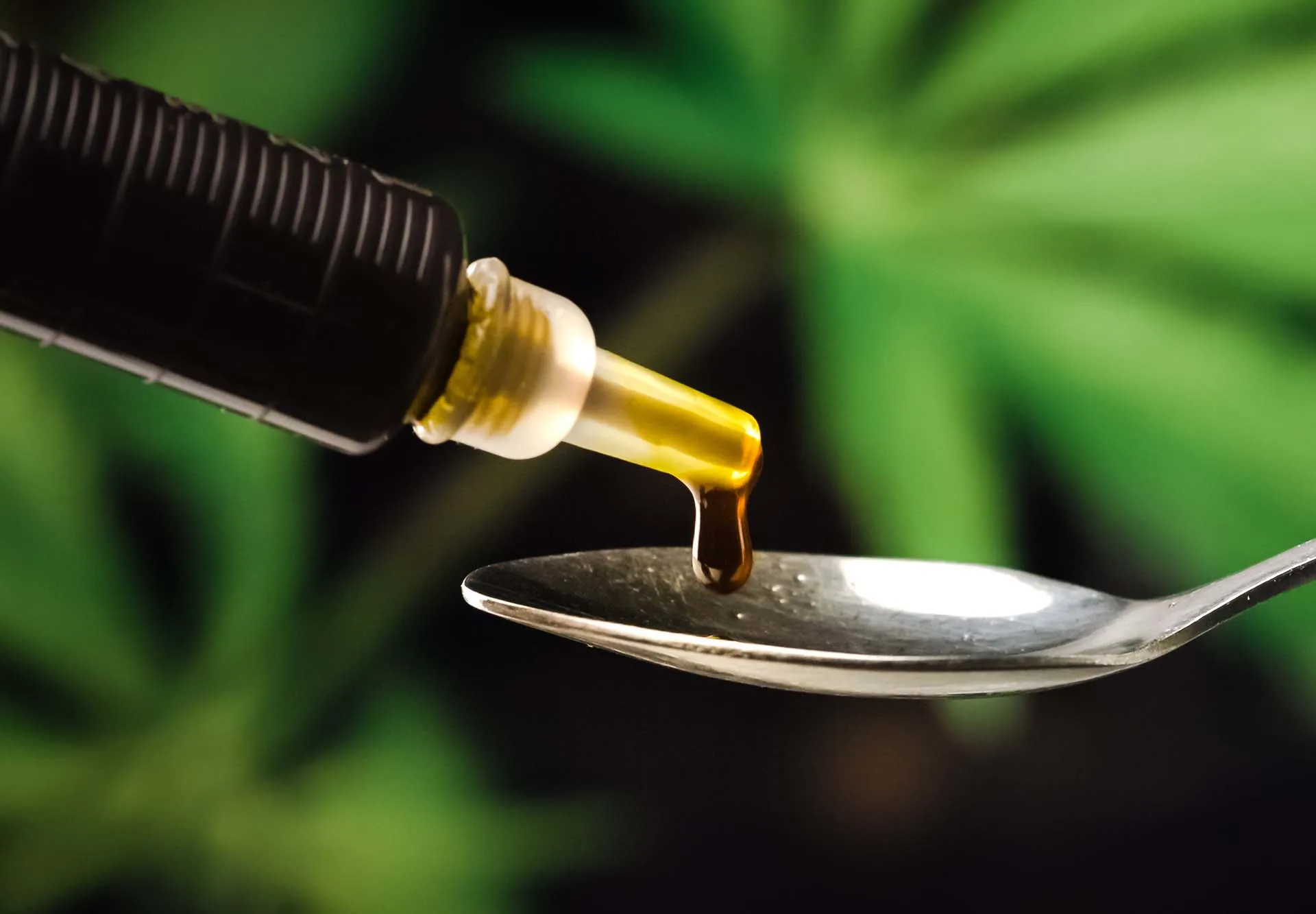
If you are new to medicating with cannabis and have wondered, “what is RSO” or “what is RSO oil used for,” then you’ve come to the right place.
RSO stands for Rick Simpson Oil.
Rick Simpson is a retired Canadian engineer turned medical cannabis activist. In 2003, Rick was diagnosed with basal cell carcinoma. Rick had successfully used medicinal marijuana to treat a prior condition and had read some research about THC’s (Tetrahydrocannabinol) cancer fighting potential. So, he decided to use cannabis to try to cure his skin cancer.
Rick produced an extremely concentrated form of THC oil. According to Simpson, after a few days of applying the cannabis oil to the spots on his face and neck, the spots went away. (1) These are Simpson’s own claims; RSO has not been shown in clinical trials to cure cancer.
This oil became known as Rick Simpson Oil (RSO) and it is produced from strong Indica strains with high THC levels, typically between 60% - 90%.
RSO Oil - Why Indica and Not Sativa?
The reason Indica strains of cannabis are used to create RSO oil is that Indicas are known to provide full-body sedative effects that can leave patients feeling relaxed and sleepy.

Since good rest matters for overall well-being, many people turn to strong Indica strains for much needed rest and relaxation, including some people living with serious medical conditions.
Learn more about the differences between indica and sativa strains.
Rick Simpson Oil Made Available to Those Who Need It
Rick Simpson never sold his RSO oil or tried to profit from his discovery. Instead, he has openly shared his process of making RSO and has encouraged people to make their own oil at home.
Since using RSO oil on his skin cancer, Simpson has grown his own cannabis and supplied thousands of cancer patients with his oil at no charge. These days, RSO is available at many medical cannabis dispensaries across the country.
The term RSO is sometimes confused with FECO (Full Extract Cannabis Oil).
Although the two are similar, they are not the same.
So, before we get into the benefits of RSO, the conditions it’s used for, how it’s produced, and how much RSO you should take, let’s cover the differences between RSO and FECO.

What’s the Difference Between RSO and FECO?
The distinction between RSO and full extract cannabis oil (FECO) comes down to the type of solvent and amount of heat used during the extraction process.
In both RSO and FECO, solvents are used to separate the cannabinoids and other active compounds from the plant material. Then heat is applied to help evaporate the solvent – leaving behind the resin extract.
Full Extract Cannabis Oil
Full Extract Cannabis Oil typically uses ethanol or CO2 to extract cannabinoids like THC and CBD as well as the terpenes and other active compounds found in cannabis. With FECOs, lower temperatures are used to extract the active compounds, and as a result, more cannabinoids are left behind in the resin.
Rick Simpson Oil
With Rick Simpson Oil (RSO), naphtha or alcohol are used in the extraction process instead of ethanol. For RSO, higher temperatures are required to evaporate the naphtha or alcohol during the extraction process than FECO.
As a result of the higher temperatures, some of the plant’s terpenes can be lost in the process. Although some of the terpenes are lost, RSO does retain chlorophyll and other plant compounds.
What Is RSO Used For?
Supporters consider RSO to be a natural option that may be helpful for people living with cancer, though more research is needed. But its use is not limited to those battling cancer.

One of the commonly known potential benefits of cannabis, and its active compounds, is its anti-inflammatory effect.
And, since chronic inflammation is a common factor in many illnesses, some people use RSO for a wide range of conditions, though research on RSO itself is limited. Conditions people commonly use RSO for include:
- Anxiety and depression
- Neurological conditions such as MS, ALS, Alzheimer’s Disease, Parkinson’s Disease, Dementia
- Rheumatoid arthritis and osteoarthritis
- Asthma
- Infections
- Inflammation
- High cholesterol
- Fibromyalgia
- Insomnia
- High Blood Pressure
- AIDS
- Chronic pain
Some believe that one reason people report benefits from RSO and FECO is the mix of active compounds found in cannabis, like THC, CBD, and other cannabinoids.
The Entourage Effect
It is believed that by consuming the right blend of cannabinoids, patients may experience enhanced effects and a more complete cannabis experience. This is known as the Entourage Effect.
Learn more about how the entourage effect may help to maximize the potential health benefits of cannabis.
How Much RSO Should I Take?

The protocol that Rick Simpson promoted for those facing serious medical conditions is 60 grams of RSO over a 90-day period. It hasn’t been tested in clinical trials, so talk with your doctor before trying it.
How to Use RSO
That amount of RSO can cause an intense reaction and can be difficult for new patients to tolerate. As a result, Simpson developed an incremental dosing regimen where you take three doses per day, about eight hours apart, as follows:
- Week 1: one drop the size of half a grain of rice
- Weeks 2-5: slowly increase the dosage until reaching one gram per day
- Weeks 5-12: Continue with one gram/day until reaching 60 grams
How Much RSO Should New Patients Take?
Because of its intensity, new patients should start with a dose measuring half the size of a grain of rice. Wait at least 90 minutes to assess the effects before deciding whether to take another dose.

Due to its high THC content, it is not uncommon for new patients to sleep a lot when beginning their treatment regime. For people living with a serious illness, that extra rest is often welcome.
Because of the high cost of purchasing RSO at the level of treatment Rick Simpson suggests, (60 grams of RSO), he recommends making it on your own.
Of course, not everyone has access to the amount of flower necessary to produce 60 grams of RSO (about 1 pound of flower). Many patients may also not feel knowledgeable enough to make their own medicine.
So, if that is you, here are a few things to keep in mind during your visit to the dispensary.
Considerations When Choosing RSO at a Dispensary
- Was it made using 100% organic cannabis?
- Which strains were used?
- Is it made from cannabis flower or cannabis flower and leaves?
- Which cannabinoid is dominant?
- Is the cultivator reputable?
- Do other patients recommend it?
How To Make RSO
When Rick Simpson first started producing his oil, he used naphtha or butane to extract the oil. The problem is that they are highly flammable and can be poisonous if they’re not completely evaporated.

Since then, Simpson has recommended that 99% isopropyl alcohol could be a suitable substitute for naphtha or butane.
It will take about one pound of high THC, Indica flower to produce 60 grams of RSO, which is the amount Rick Simpson recommends for serious ailments like cancer.
Please note that depending on the type of solvent being used, the extraction process can be dangerous and can present the risk of fire or explosion. Because of these risks, making RSO at home with solvents is not recommended - lab-tested RSO from a licensed dispensary is the safer choice.
How to Use RSO
Whether you’ve made your own RSO, or picked some up at the dispensary, there are a few different ways to ingest it. Typically, RSO comes in a syringe without a needle. So, you can use a RSO syringe to take your RSO:

- Orally - the most common method but when consumed orally, THC will be converted to 11-hydroxy-THC which is five times more psychoactive (2)
- Apply to upper gums or below the tongue
- Topically - like Rick Simpson did on his skin cancer
- Suppositories with RSO capsules - it’s believed this method provides the most bioavailability of the cannabis compounds
Can You Smoke RSO?
The answer to this question is simple. No, you should not smoke RSO. Since RSO extracts all the components of the cannabis plant, it will include things like chlorophyll, fats, and lipids that make it unsuitable for smoking. (2)
A few other questions that are often asked about RSO are listed below with the answers:
Q. How long does RSO take to work?
A. Generally it will take at least 1-2 hours to kick in.
Q. How long does each dose of RSO last?
A. Each dose of RSO can last about 4-6 hours.
Q. How often should I take my RSO?
A. It is recommended that you take 3 doses a day about 8 hours apart - in the morning, afternoon, and at night, about an hour before going to sleep.
Bloom - How to Get RSO
Whether you are looking for RSO extracts, edibles, or capsules - Bloom is here to help identify the consumption methods and forms of cannabis that are best for you.

Stop by a Bloom dispensary in Ohio or Maryland, and our budtenders can help you find the RSO and other cannabis products that are right for you.
Sources:
For general information. This post isn't medical or legal advice. Cannabis rules differ between Ohio and Maryland and can change, so check with the Ohio Division of Cannabis Control or the Maryland Cannabis Administration. Talk to a healthcare provider before using cannabis for a medical condition. For adults 21+ and registered medical patients.
More from the Bloom blog.

Education9 min read
What Are THC Drinks? A Complete Guide to Cannabis Beverages
What are THC drinks? How nano-emulsified cannabis beverages work, how fast they kick in, how they compare with alcohol and edibles, and how to dose them.
Bloom TeamNovember 10, 2026
Education5 min read
Cooking with Cannabis: Butter, Oil and Infusion Basics
Cooking with cannabis: how to decarb, make cannabutter and cannabis oil, estimate the THC in homemade edibles, and simple recipes to start with.
Bloom TeamOctober 30, 2026
Education3 min read
Cannabis Topicals: How They Work and How to Use Them
What are cannabis topicals? How creams, balms, roll-ons and patches work, why most don't get you high, how to use them and what to know about drug tests.
Bloom TeamOctober 27, 2026
Earn points, get the deals first.
Join Bloom Rewards free and start with 200 points, plus member-only deals and news from Bloom.
- 200 points for joining
- 1 point per $1 spent
- 100 points = $5
- Member-only deals and drops
Earn at any Bloom in Ohio or Maryland. Pick your store when you sign up.