CBD vs THC: Flower, Edibles, and Topicals
CBD vs. THC: how they differ in effects, how they work, legality, drug tests and side effects, how to choose a ratio, and CBD vs. THC flower, edibles and topicals.
By Bloom Team
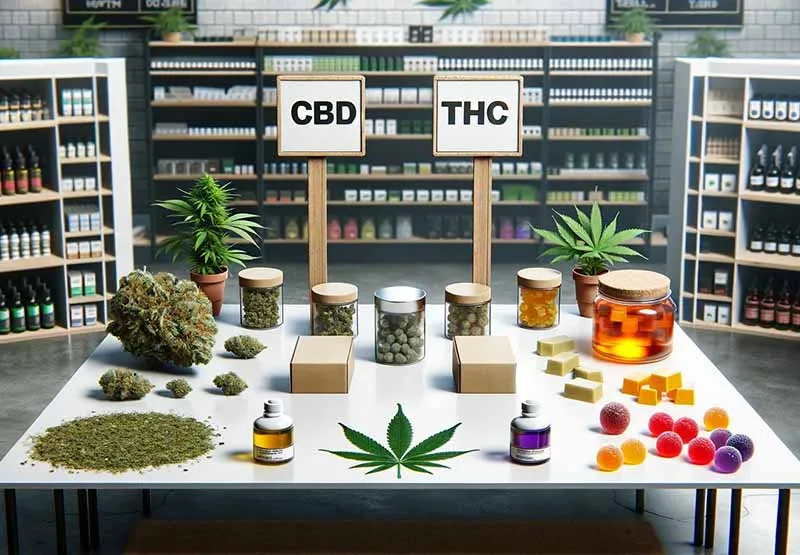
THC and CBD are the two best-known compounds in cannabis, and two of the most misunderstood. One gets you high and the other doesn’t, but that’s only the beginning. These two cannabinoids act almost like opposites in some ways and complement each other in others. Understanding how they differ is the foundation for picking the right product, choosing the right ratio and getting the experience you want, whether that’s flower, edibles or topicals.
The Short Answer
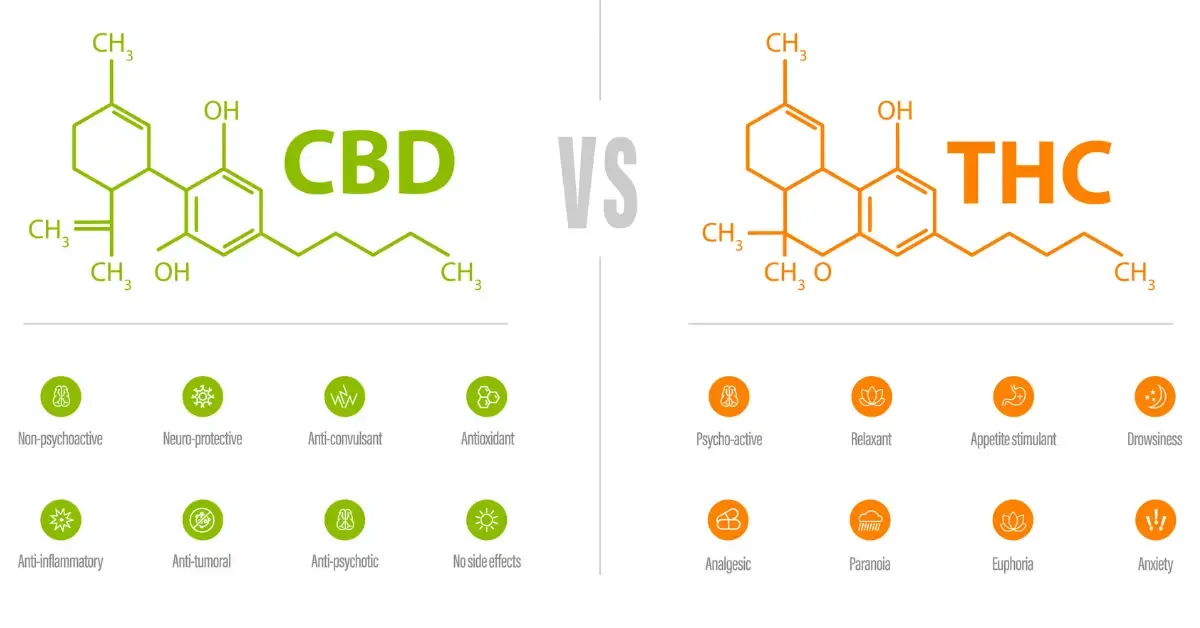
THC (tetrahydrocannabinol) is intoxicating and produces the classic cannabis high. CBD (cannabidiol) is non-intoxicating, so it doesn’t make you feel high. Both come from the same plant, and both interact with your endocannabinoid system, just in very different ways.
What Is THC?
THC is the main psychoactive compound in cannabis. The euphoria, altered perception, relaxation and hunger people associate with cannabis come from THC. Israeli chemist Raphael Mechoulam and his colleague Yechiel Gaoni first isolated it in 1964, and for decades it was the cannabinoid researchers and regulators focused on.
THC works by binding directly to CB1 receptors in the brain and nervous system, which produces the effects of being high.
Effects people commonly report from THC:
- Euphoria and a lifted mood
- Relaxation
- The munchies
- An altered sense of time
- At higher doses: anxiety, paranoia or a racing heart
What Is CBD?
CBD is usually the second most abundant cannabinoid in cannabis and the best-known non-intoxicating one. It was first isolated in 1940 but largely ignored until the 2000s. Today it shows up in flower, tinctures, topicals, drinks and an FDA-approved medication.
Unlike THC, CBD doesn’t bind strongly to CB1 or CB2 receptors. It seems to work more indirectly, influencing the enzymes that regulate the body’s own cannabinoids and interacting with other receptor systems.
CBD’s best-established medical use is narrow: in 2018, the FDA approved Epidiolex, a purified CBD medication, for two rare forms of epilepsy, Lennox-Gastaut and Dravet syndrome, after clinical trials.1 Research on other uses is ongoing.
The Key Differences
Intoxication
THC is intoxicating; CBD isn’t. Even large doses of pure CBD don’t produce a high.
How They Work
THC binds directly to CB1 receptors. CBD doesn’t; it’s sometimes described as a modulator because it can influence how other compounds, including THC, act on those receptors.
Legal Status
In Ohio and Maryland, both THC and CBD products are sold within each state’s regulated cannabis program. Hemp-derived CBD has been federally legal under the 2018 Farm Bill, but the federal hemp definition is changing in late 2026, and state rules vary. See our federal hemp and delta-8 update and hemp vs. cannabis.
Drug Testing
Standard drug tests look for THC, not CBD. Pure CBD isolate usually won’t cause a positive result, but full-spectrum CBD products contain trace THC that can, especially with regular use. If you’re drug tested, use certified THC-free products or skip CBD.
Side Effects
THC’s main side effects are anxiety, paranoia and short-term memory problems, especially at higher doses. CBD is generally well tolerated, though it can cause drowsiness, dry mouth or appetite changes. Both can interact with some prescription medications through the liver enzymes that process them, so check with your doctor or pharmacist if you take any.
THC and CBD Together
CBD appears to soften some of THC’s less pleasant effects, like anxiety and a racing heart, without cancelling the high. That’s a big reason balanced 1:1 products have become popular, especially with newer consumers. It’s also one of the clearest examples of the entourage effect.
How to Choose a Ratio
Many products list a THC:CBD ratio. Here’s how to think about it:
- High THC, low CBD: the strongest high. Best for experienced consumers.
- 1:1: a milder high that many people find more comfortable. A common choice for beginners.
- CBD-dominant (2:1, 4:1 and up): little to no high.
- Pure CBD: no high at all.
Bloom stocks a range of ratios in Ohio and Maryland, from THC-dominant flower to balanced tinctures and CBD-forward topicals. Ask a budtender what’s on the menu.
CBD vs. THC by Product Type
Flower
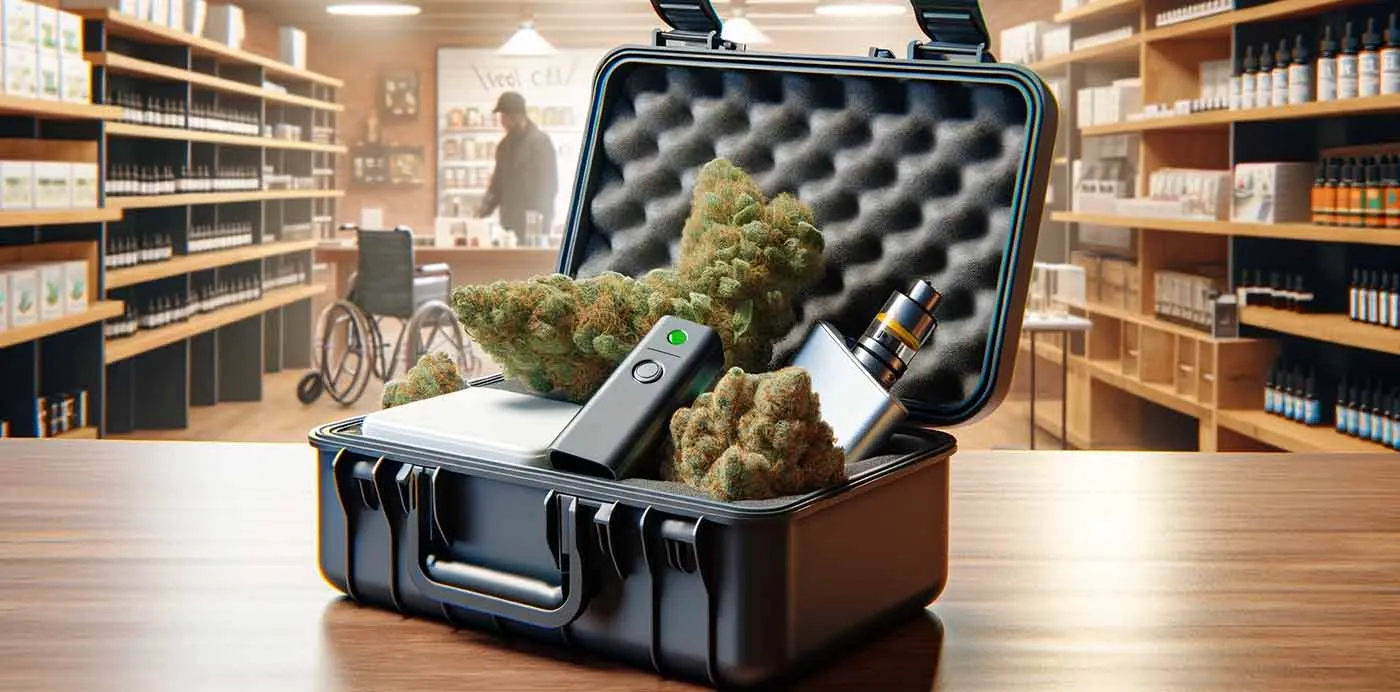
CBD flower is bred to be high in CBD and low in THC, so it gives you the ritual of smoking or vaping without much of a high. THC flower is what most people picture when they think of cannabis. Many strains fall in between, with meaningful amounts of both. See our cannabis flower guide.
Edibles
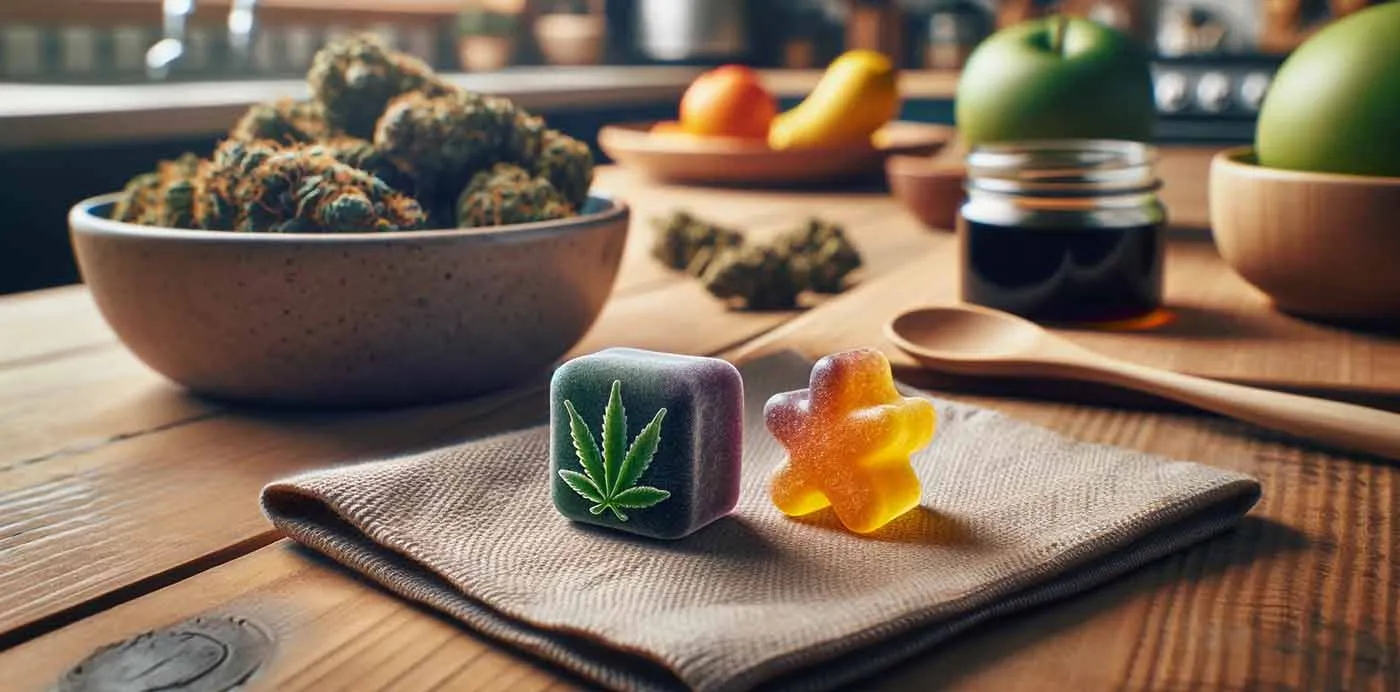
CBD and THC both come in gummies, chocolates, baked goods, mints, drinks and capsules. CBD edibles are a discreet way to take CBD without a high. THC edibles produce a strong, long-lasting high that starts slowly, so dosing carefully matters. See exploring edibles: a beginner’s guide and edible dosing for new users and experts.
Topicals
CBD and THC topicals are applied to the skin and act where you apply them. Standard topicals with either cannabinoid don’t produce a high; transdermal patches are the exception. Research on how well topicals work is still ongoing. See our guide to cannabis topicals.
Tinctures
Tinctures come in THC, CBD and ratio versions and make it easy to measure small doses. See our guide to cannabis tinctures.
Is THC Addictive? Is CBD?
Regular THC use can lead to dependence in some people, and tolerance builds with frequent use. CBD isn’t generally associated with addiction. Using THC in moderation and taking periodic tolerance breaks helps, and if you’re concerned about your use, talk to a healthcare provider.
Frequently Asked Questions
Will CBD cancel out a THC high?
Not exactly. CBD may soften a THC high, particularly the anxiety, but it won’t erase it. See how to sober up from weed.
Can CBD get you high in large doses?
No. Even large doses of pure CBD don’t cause intoxication, though you may feel drowsy.
Which is better if THC makes me anxious?
Many people who are sensitive to THC prefer CBD-dominant or balanced products, since high doses of THC can make anxiety worse in some people.
Can you fail a drug test from CBD?
Pure CBD isolate usually won’t cause a positive test, but full-spectrum CBD contains trace THC that can build up with regular use. If you’re tested, choose certified THC-free products or avoid CBD.
Does CBD have side effects?
It’s generally well tolerated, but it can cause drowsiness, dry mouth, appetite changes and occasionally diarrhea, and it can interact with some medications.
The Bottom Line
THC and CBD do very different things. THC produces the classic high; CBD doesn’t. The right product depends on what you want to feel, and for many people a balanced ratio of both turns out to be the sweet spot.
Ohio Bloom Dispensaries
Bloom serves registered medical patients and recreational customers 21+ at seven Ohio dispensaries:
- Bloom Akron
- Bloom Athens
- Bloom Massillon
- Bloom Painesville
- Bloom Seven Mile
- Bloom South Columbus
- Bloom West Columbus
Maryland Bloom Dispensary
Bloom serves medical patients and recreational customers 21+ at our Germantown dispensary.
Footnotes
For general information. This post isn't medical or legal advice. Cannabis rules differ between Ohio and Maryland and can change, so check with the Ohio Division of Cannabis Control or the Maryland Cannabis Administration. Talk to a healthcare provider before using cannabis for a medical condition. For adults 21+ and registered medical patients.
More from the Bloom blog.
Education9 min read
What Are THC Drinks? A Complete Guide to Cannabis Beverages
What are THC drinks? How nano-emulsified cannabis beverages work, how fast they kick in, how they compare with alcohol and edibles, and how to dose them.
Bloom TeamNovember 10, 2026
Education5 min read
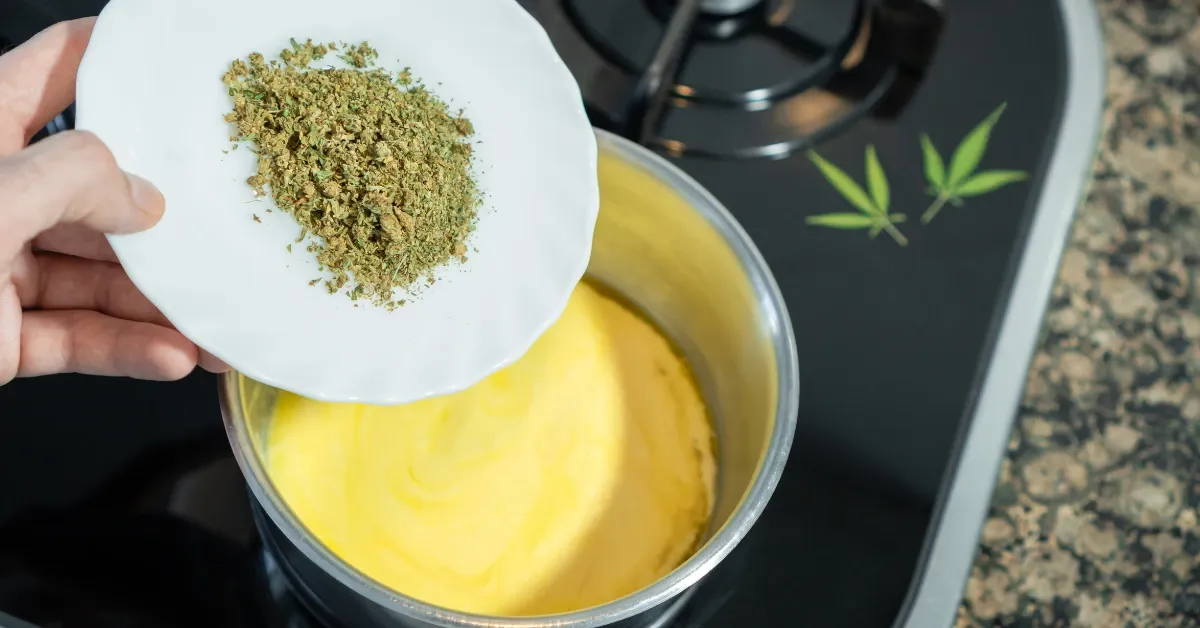
Cooking with Cannabis: Butter, Oil and Infusion Basics
Cooking with cannabis: how to decarb, make cannabutter and cannabis oil, estimate the THC in homemade edibles, and simple recipes to start with.
Bloom TeamOctober 30, 2026
Education3 min read
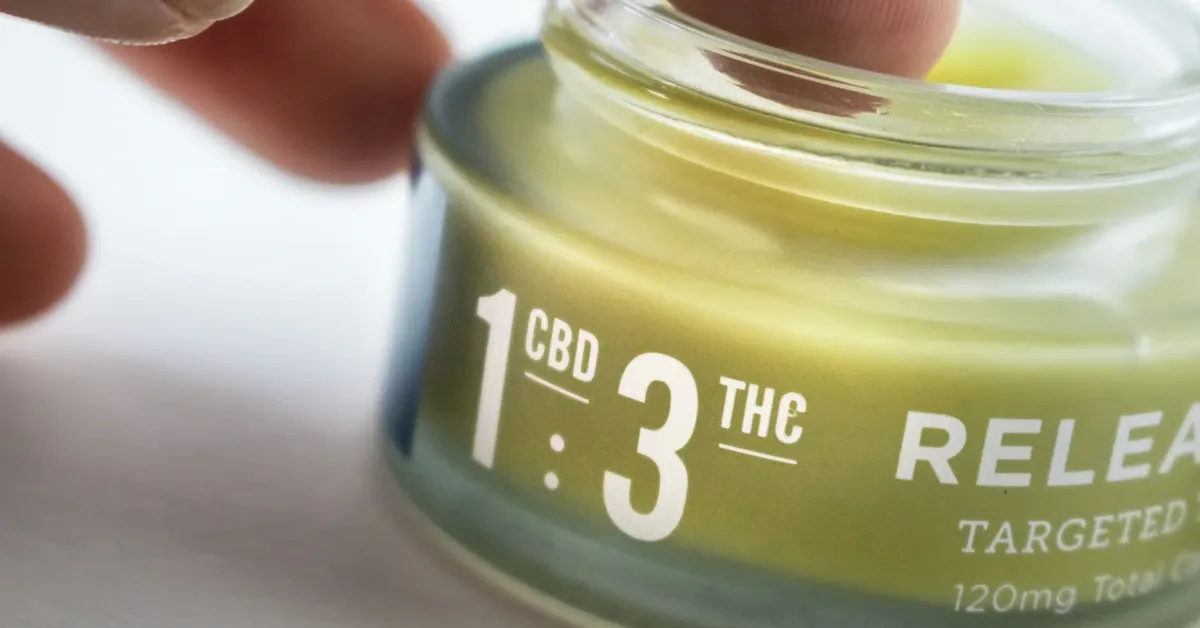
Cannabis Topicals: How They Work and How to Use Them
What are cannabis topicals? How creams, balms, roll-ons and patches work, why most don't get you high, how to use them and what to know about drug tests.
Bloom TeamOctober 27, 2026
Earn points, get the deals first.
Join Bloom Rewards free and start with 200 points, plus member-only deals and news from Bloom.
- 200 points for joining
- 1 point per $1 spent
- 100 points = $5
- Member-only deals and drops
Earn at any Bloom in Ohio or Maryland. Pick your store when you sign up.